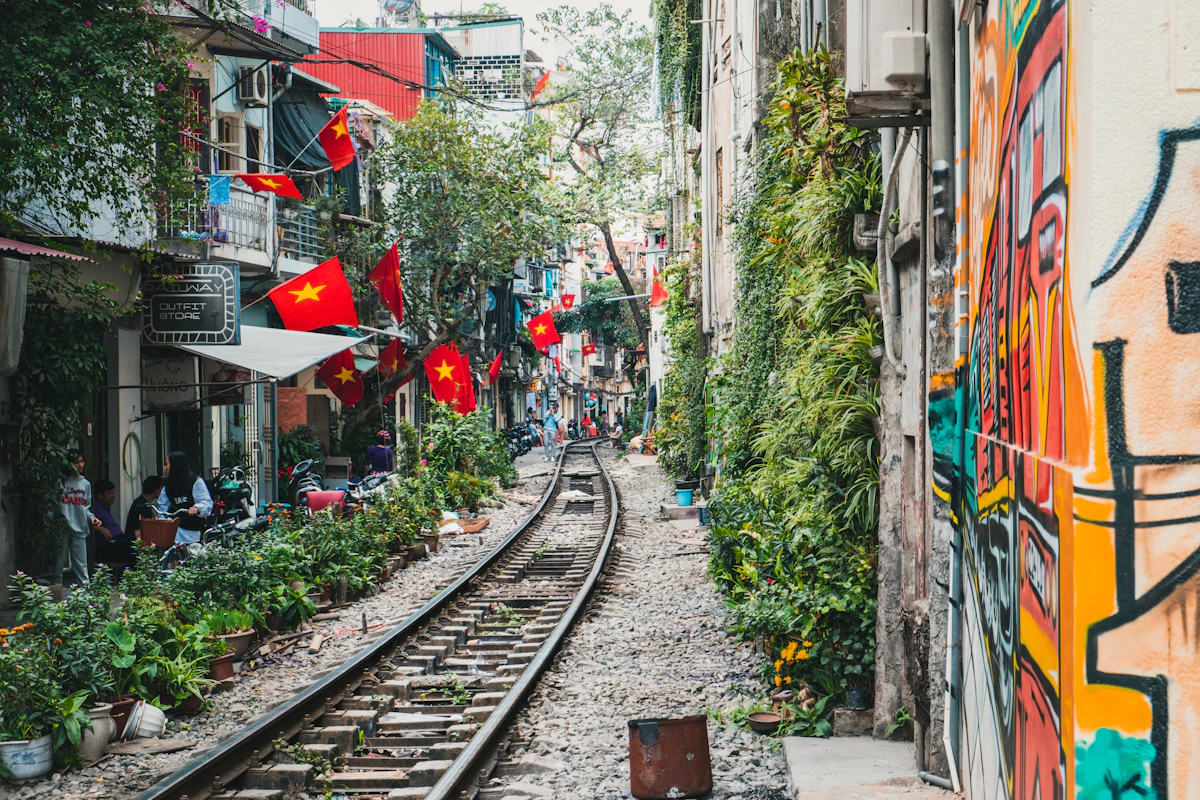
Hanoi is one of the few places in Vietnam with four genuinely distinct seasons, and the difference between them is wide enough to change your trip. Here is what each one is actually like, and which window is worth planning around.
Hanoi is one of the few places in Vietnam with four seasons you can actually tell apart, and the gap between them is wide enough to change what your trip feels like. This is a walking city. The Old Quarter is a neighborhood you explore on foot, and most of the sights sit within a couple of kilometers of Hoan Kiem Lake, so the weather is not a background detail. Here is how the Hanoi year really breaks down, and which window is worth building a Vietnam itinerary around.
The short answer
If your dates are flexible, come between late September and late November. That is Hanoi in autumn: cool mornings, dry afternoons, low humidity and the kind of temperature where six hours on your feet feels pleasant instead of punishing. Spring, roughly February to April, is the second-best window. Summer is hot and wet, winter is cold and gray, and both are perfectly workable if you plan around them rather than pretend they are not happening.
- Best overall: September to November, dry and cool, ideal for walking
- Second best: February to April, mild and festive with a persistent light drizzle
- Hottest and wettest: May to August, with heavy afternoon downpours
- Coldest: December to January, dry and gray, occasionally genuinely chilly
- Busiest and most expensive: the Lunar New Year holiday, which lands in late January or February
Autumn, September to November
Ask anyone in Vietnam which season belongs to Hanoi and almost all of them say autumn. Temperatures settle into a range where you want a light jacket at breakfast and nothing at all by lunchtime. The air clears, the light turns gold in the late afternoon, and the streets fill with the heavy scent of hoa sua, the milk flower blossom that people here treat as the smell of the season. This is when the loop around Hoan Kiem Lake, the coffee-on-a-plastic-stool routine and the long aimless afternoons in the Old Quarter all work at their best. It is also the peak arrival window for foreign visitors, so book rooms earlier than you otherwise might.
Winter, December to January
Hanoi winters are cold and dry rather than freezing, but a damp gray day here feels colder than the number suggests, and plenty of budget rooms are built to shed heat rather than hold it. Bring a real jacket, not a windbreaker. The compensation is the food. This is the season for phở (beef noodle soup in a clear, slow-simmered broth), for bún riêu (a tart crab and tomato noodle soup) and for hot pot eaten at a low table on the sidewalk with the burner going. Foreign crowds thin out, hotel rates soften, and the city feels less like it is performing for anyone.
Spring, February to April
Spring warms up slowly and brings mưa phùn, a fine drizzle that can hang around for days without ever committing to proper rain. It rarely stops you doing anything, but it does flatten your photos and it keeps the pavements slick. In exchange you get the temple festival season and, depending on the year, Tet. The Lunar New Year is Vietnam's biggest holiday and the most interesting time to be in the country as an observer, but it is an awkward week to travel through: family-run kitchens close, domestic transport sells out, and prices climb. Look up the dates before you lock in flights.
Summer, May to August
Hot, humid and prone to downpours that flood a street in twenty minutes and then vanish. It is the least comfortable stretch of the year for a walking city, but it is not a write-off. Locals handle it by front-loading and back-loading the day: out by six in the morning while the Old Quarter is doing its market trade, a long lunch and a nap through the worst of it, then back out after five when the sidewalks come alive again. Summer also brings lotus season on West Lake and the best fruit of the year. Carry water and an umbrella that works for sun as well as rain.
How the season changes your day trips
Most people use Hanoi as a base for somewhere else, and the weather matters more out there than it does in the city, where you can always duck into a cafe.
- Ha Long Bay, roughly 165km (100 miles) east: cruises run year-round, but autumn gives the clearest air, while summer brings haze and the occasional storm cancellation
- Ninh Binh, roughly 95km (60 miles) south: late May and early June are the rice harvest, when the valleys turn gold, and that is the most photogenic fortnight of its year
- Sapa, roughly 320km (200 miles) northwest: September brings the rice terrace harvest, and winter at that altitude can be genuinely cold and fogged in for days
- Bat Trang and Duong Lam, both inside greater Hanoi: fine in any season, better on a dry one
If your dates are fixed and you land in summer, do not fight it. Start at six in the morning while the Old Quarter is still doing its own business, treat noon to three as indoor time, and go back out at five. That is not a compromise, it is exactly what everyone who lives here does.
Things to know before you book
- Autumn and spring are peak season, so Old Quarter rooms get scarce and noticeably pricier
- Check the Tet dates for your specific travel year, because the holiday moves and it reshapes about a week of the calendar
- Hanoi is a northern city and the far south of Vietnam has a completely different climate on the same dates, so a two-week itinerary will cross weather zones
- The Ho Chi Minh Mausoleum keeps short morning hours and is usually closed on Mondays and Fridays, in every season
- Rain here rarely lasts a whole day, so build flexible half-days rather than canceling plans outright