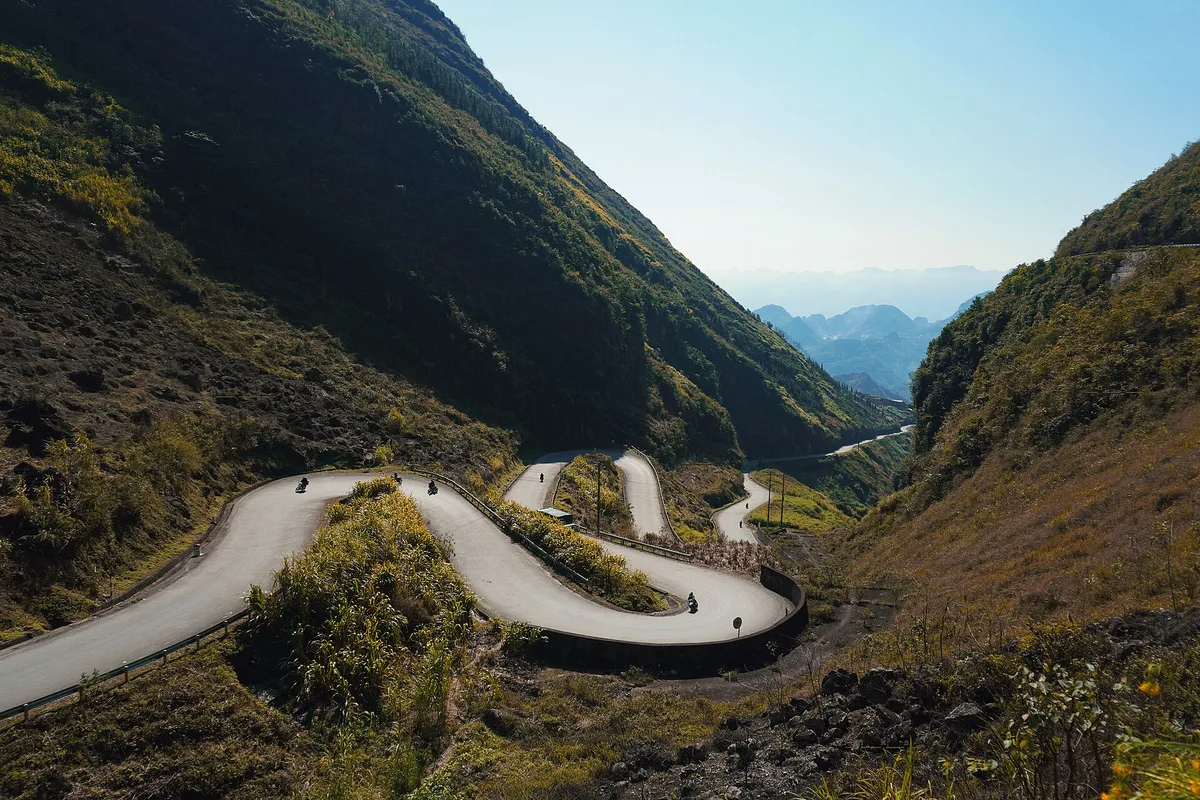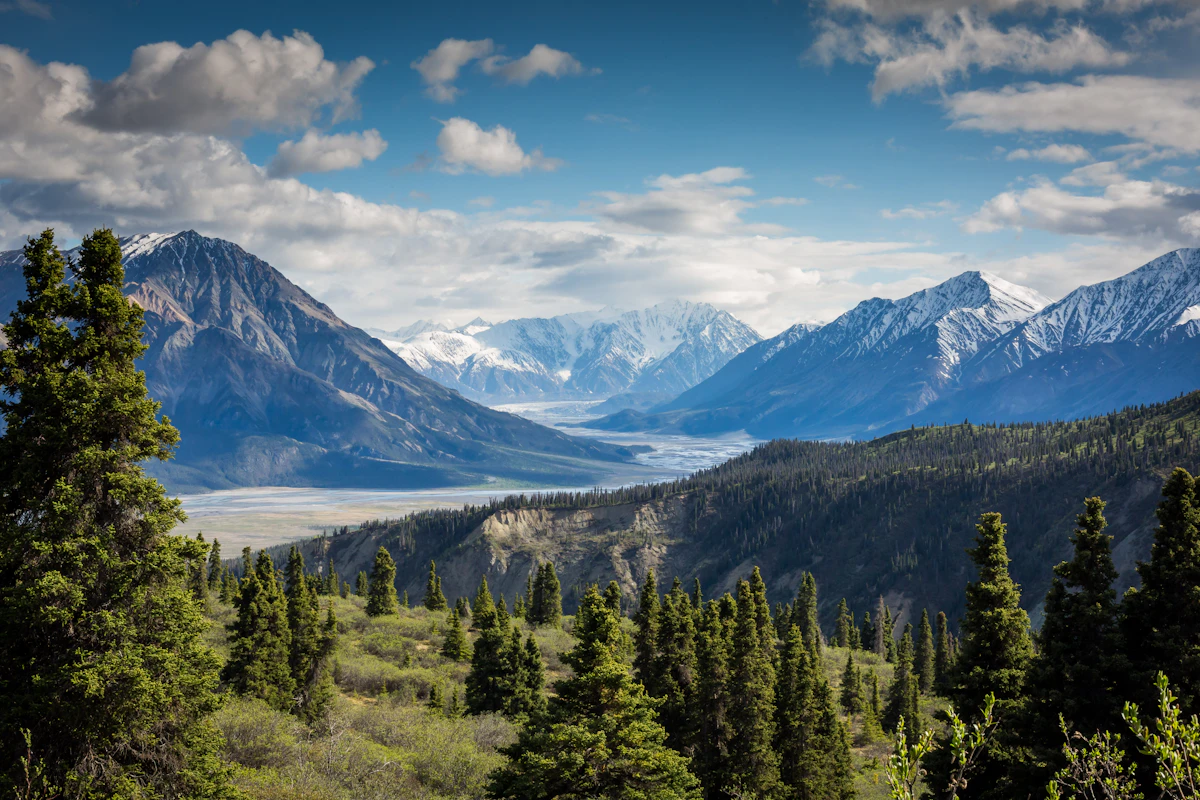
Moc Chau is a cool green plateau of tea terraces, dairy farms and flower valleys, four to five hours west of Hanoi by road. This guide covers getting there, when to come, how long to stay, what things cost and whether it deserves a slice of a two-week trip.
This Moc Chau travel guide is for someone who has flown a long way to Vietnam, has two weeks at most, and is trying to work out whether a cool green plateau four to five hours west of Hanoi is worth two nights of it. Moc Chau is not dramatic in the way Ha Giang is dramatic. It is tea terraces, dairy herds, waterfalls and flower valleys at a comfortable temperature, and it is one of the easiest introductions to northern Vietnam's mountains that exists. Here is everything you need to decide and to plan.
Where it is and what it actually is
Moc Chau is a plateau in Son La province in Vietnam's northwest, about 180km (110 miles) from Hanoi on Highway 6, sitting at roughly 1,050m (3,450ft). The elevation gives it average temperatures of around 18-20C (64-68F), which is why Vietnamese visitors call it the green steppe and treat it as a summer escape. Commercially it runs on tea and dairy, and both of those shape what you see: terraced tea hills to the horizon, and grazing land that looks nothing like the rest of the country.
Getting there from an international arrival
Almost everyone reaches Moc Chau the same way: fly into Hanoi's Noi Bai airport, spend a night or two in the city to recover from the flight, then travel west by road. There is no rail line and no airport at the plateau.
- Sleeper bus or shared limousine van from My Dinh or Yen Nghia station: an estimated 150,000-250,000d (roughly US$6-10), around four to five hours
- Private car with a driver: the simplest option with luggage, a family or a tight schedule
- Self-driven motorbike along Highway 6 through Hoa Binh and the Thung Khe pass: a fine ride for experienced riders, not a place to learn
- The road climbs and twists in its second half, so allow more time in rain and do not plan a same-day flight out of Hanoi
When to go
The plateau runs on a flower calendar. Plum and apricot blossom whitens the valleys from late January to mid-February, usually overlapping Lunar New Year. Canola and mustard fields come out from November into early December, and wild sunflower lines the roads in October and November. The tea hills are greenest through the rains from around April to September, which is also plum harvest season in May and June and the quietest, cheapest time to come.
How long to stay
Two nights suits most people and three is comfortable. A day trip from Hanoi means eight to ten hours in a vehicle for a few hours on the plateau, and it misses the early light that makes the place. Two nights covers the tea hills at dawn, the waterfall, the pine forest, a dairy farm and one valley. A third night buys a village, a highland market or the climb up Pha Luong.
Getting around once you are there
Nothing is walkable from anything else, and there is no useful bus between the sights. Rent a motorbike in town for an estimated 120,000-200,000d a day (roughly US$5-8) if you ride confidently, or arrange a car with a driver through your accommodation, agreeing the day rate before you set off. Fill the tank in town before heading out to the villages, because fuel stations thin out fast.
What to see and eat
- The tea terraces, including the sculpted heart-shaped hill, best between 6am and 8am
- Na Ka plum valley, white with blossom in winter and full of fruit in early summer
- Dai Yem waterfall, about 100m over several tiers, with a glass walkway alongside
- Ban Ang pine forest and its lake, plus the Bat Cave on the edge of town
- Bê chao, milk-fed veal flash-fried with ginger and lemongrass, the local specialty
- Fresh milk, set yogurt, cold-water salmon hotpot and smoked buffalo meat
Where to stay
Two real choices. The town has hotels and guesthouses close to restaurants and the market, which is the practical pick for a short stay. Out on the plateau, homestays and bungalows sit among the tea hills and near the pine forest, with the views people come for and a drive to dinner. Budget rooms run an estimated 200,000-400,000d a night, tea-hill bungalows around 400,000-900,000d, and smarter resorts from about 1,000,000d upward.
Book at least a few weeks ahead for the blossom weeks around Lunar New Year, for November weekends, and for any Vietnamese public holiday. Moc Chau is a domestic weekend destination first and an international one second, which means the plateau can be near empty on a Tuesday and completely full on the Saturday of the same week.
Moc Chau travel guide: the trip in numbers
- Return road transport from Hanoi: an estimated 300,000-500,000d (roughly US$12-20)
- Accommodation: from around 200,000d for a basic room to 1,000,000d and up for a resort, per night
- Motorbike rental with fuel: around 300,000-450,000d (US$12-18) over three days
- Entry fees and food across three days: around 600,000-1,000,000d (US$24-40)
- Estimated total for three days, per person: roughly 1,700,000-3,000,000d (US$68-120)
Practicalities before you go
- Visas: most visitors apply for Vietnam's e-visa online before travel, and the official government portal is the only place to check current eligibility and validity
- Money: carry cash in small notes, as tea hills, orchards, parking attendants and roadside stalls rarely take cards, and draw it in Hanoi or in town
- Weather: pack a warm layer year round and something waterproof from May to September
- Connectivity: a local SIM or eSIM bought in Hanoi covers the plateau adequately, though signal drops in the valleys
- Fit: pair Moc Chau with Mai Chau on the same road, or treat it as one stop on a longer northwest loop toward Son La and Dien Bien Phu