The waterfall occupies about two hours of a trip that costs three days, so the useful list is everything else within reach. A cave, a Tay stone village, a historic cave site and a mountain with a hole through it, ranked by whether they justify the drive.
Type "things to do in Ban Gioc Waterfall" into a search bar and the same photograph comes back every time: a wide, tiered curtain of water on the Vietnam-China border. It deserves the attention, but it occupies about two hours of a trip that costs you three days, so the useful list is the one that includes everything else within reach. Almost all of it sits in the northeastern region around Cao Bang city, and the good part is that the best of it clusters within a few kilometers of the falls.
What "things to do in Ban Gioc Waterfall" actually covers
- The falls themselves, on the Quay Son river at the Chinese border
- Nguom Ngao, a long limestone cave a short drive away
- Khuoi Ky, a Tay village of stone stilt houses about 3km (2 miles) from the water
- Pac Bo, the historic site 55km (35 miles) the far side of Cao Bang city
- Thang Hen lake, Mat Than mountain and Ma Phuc pass, on the drives between them
The waterfall itself
Ban Gioc drops in broad tiers across the width of the Quay Son, which is the border, so half of what you are looking at is in China, where the same falls are known as Detian. From the Vietnamese bank a path runs along the water and up to viewpoints, and small bamboo rafts usually take visitors out toward the base for a fee when the river allows. Two hours is enough, and the first hour after opening is the one worth having. Carry your passport, since this is a controlled border area.
Nguom Ngao cave
About 10 minutes' drive from the falls, Nguom Ngao is a long limestone cave with a lit walkway running through chambers of stalactites and flowstone. It takes roughly an hour, it is cool inside on a hot day, and the floor is wet in places, so shoes with some grip are worth having. Paired with the waterfall it makes a full but unhurried day, which is exactly how the standard three-day itinerary uses it.
Khuoi Ky stone village
Three kilometers from the falls, Khuoi Ky is a Tay village where the stilt houses are built from stacked stone rather than timber, roofed in curved tiles and set against a cliff. A few dozen houses remain and several take guests. It is a place to walk slowly for an hour rather than an attraction with a ticket, and it is the most convenient place to sleep if you want the waterfall at opening time the next morning.
Do the falls, Nguom Ngao cave and Khuoi Ky as one day and Pac Bo as another. They lie on opposite sides of Cao Bang city, roughly 145km (90 miles) apart end to end, and travelers who try to combine them spend the day in a vehicle and reach the waterfall at the worst possible hour.
Pac Bo and the historical side
About 55km (35 miles) northwest of Cao Bang city, in the opposite direction from the falls, Pac Bo is where Ho Chi Minh set up base after returning to Vietnam in 1941. The site takes in Coc Bo cave and a startlingly clear green stream, and Vietnamese visitors treat it as close to a pilgrimage. Foreign travelers tend to get less from the politics and more from the setting, which is quiet, green and unlike anywhere else on the trip.
Thang Hen lake and Mat Than mountain
The third direction out of Cao Bang city leads to a group of mountain lakes around Thang Hen, whose color shifts through the year, and to Mat Than mountain, a limestone ridge with a large natural hole punched clean through it above open grassland. Both are landscape rather than attraction: there is very little to buy a ticket for, and that is rather the point. Give them a half day if a fourth day exists in your plan.
Ma Phuc pass and the drive itself
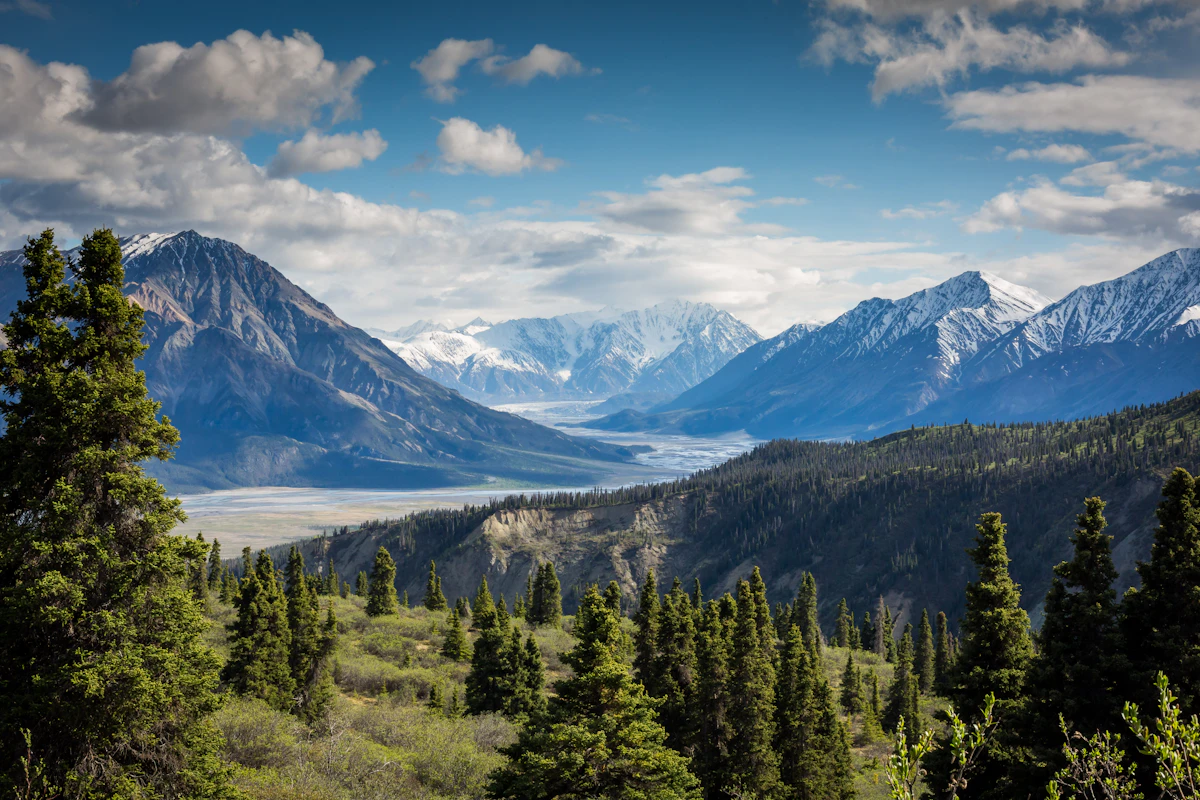
The road between the city and the falls climbs Ma Phuc pass through limestone towers, and the whole region is a UNESCO Global Geopark, which is a fair description of what you spend the day looking at. The surface has improved a great deal in recent years but the bends are real and the drops are unfenced in places. If you are not a confident motorbike rider, hire a car with a driver and look out of the window instead.
An evening in Cao Bang city
The city is small and not a sight in itself, but it is where you will eat, and the food here is genuinely regional. This is the place to try banh cuon served in a bowl of hot pork bone broth rather than with a dipping sauce, pho chua, a cold sour noodle plate topped with roast meat and peanuts, and vit quay 7 vi, duck marinated in seven spices and roasted until the skin crackles. In autumn, roadside vendors roast Trung Khanh chestnuts. The center is small enough to walk across in twenty minutes, so an evening here is really about dinner and an early night before the drive.
Practical notes
- Carry your passport at the falls and at Nguom Ngao, since both sit in a border area
- Bring cash, because card payment is rare once you leave Cao Bang city
- Wear shoes with grip for the cave and for the wet path beside the water
- Go to the waterfall at opening rather than after lunch, in any season
- Check the water level before fixing your dates, since the falls shrink markedly from March to May
- Allow an hour for Nguom Ngao cave and another for Khuoi Ky, so the whole cluster fits one relaxed day