There are no hotels in the usual sense inside Pu Luong, only stilt-house homestays and hillside lodges of wooden bungalows. This guide compares the villages you can base yourself in, explains what those lodge prices actually buy, and lists what to ask before you book.
Where to stay in Pu Luong shapes the trip more than the equivalent decision does almost anywhere else in Vietnam. The reason is simple: there are no restaurants in the villages, no taxis and no tour desks, so whoever hosts you is also the person who cooks your dinner, finds you a motorbike, arranges a driver and books a guide. Choosing badly does not just mean a poor night's sleep, it means a poor trip. This guide compares the areas rather than naming individual properties, which change faster than any article can track.
What accommodation actually exists here
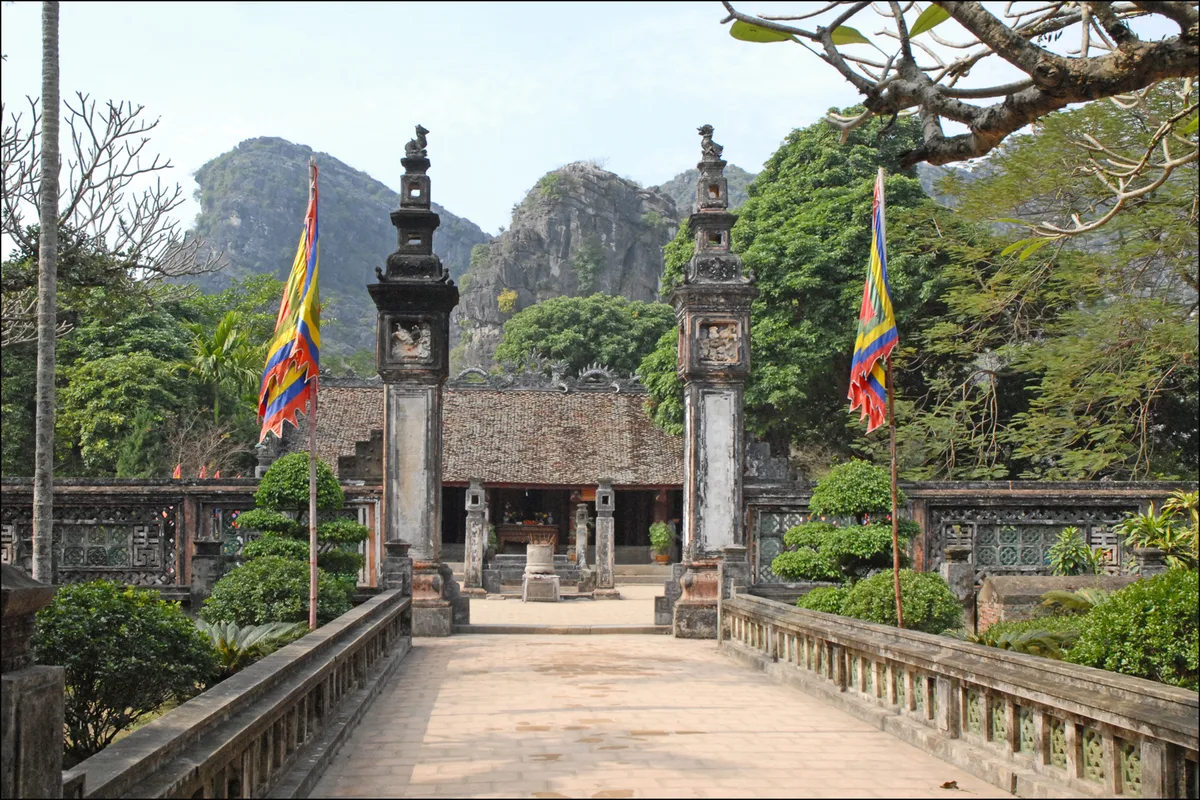
Two categories cover almost everything inside the reserve. The first is the traditional stilt house: a wooden building raised on posts, where you either take a mattress in a shared open room or a simple private room, sometimes with a shared bathroom. The second is the hillside lodge, a cluster of small wooden bungalows built into a slope with private bathrooms, a balcony and often an infinity pool. Only out in Canh Nang town will you find conventional guesthouses and small hotels. Neither category is a hotel in the sense you would use the word at home, and nowhere inside the reserve has a reception desk that stays staffed at night.
Ban Don: the default for a first trip
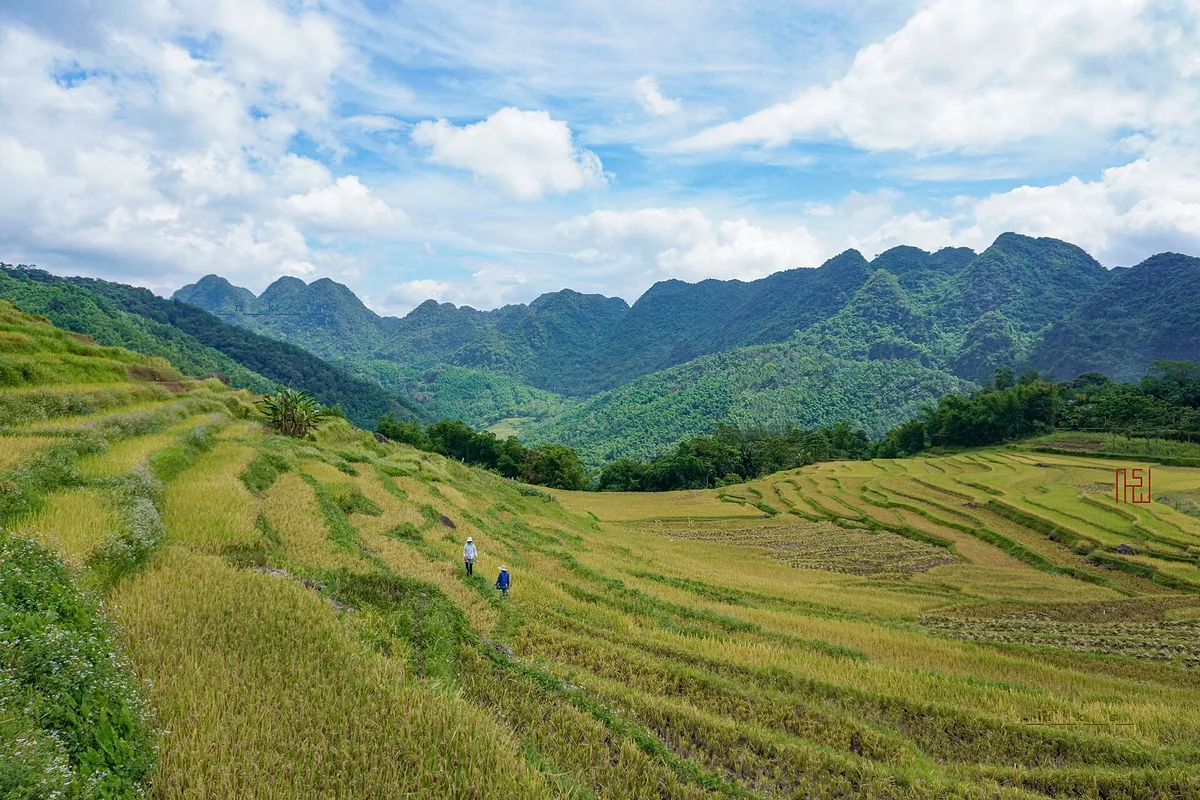
Ban Don sits in the most photographed terraced valley in the reserve and holds the great majority of the bungalow lodges. The road in is good enough for an ordinary car to reach the village, and the view starts at your door rather than after a hike. In exchange it is the busiest place in Pu Luong, and rates climb noticeably on peak weekends. For a first visit, the convenience is worth it, and being where the choice is means you can still find a bed if the first place you contact is full.
- Suits: first-timers, families, groups who want everything arranged in one place
- Estimated prices: 150,000-250,000d shared room, 500,000-900,000d private stilt-house room, from 1,200,000d for a bungalow
- Strengths: the best views, the widest choice, easy motorbike hire and trip arrangements
- Weaknesses: busier and pricier than anywhere else, especially at harvest weekends
The hillside lodges and what the price buys
These are the places that made Pu Luong fashionable: timber cabins stepped down a slope, a balcony over the paddies and a pool on the edge of the drop. Be clear-eyed about the label. Eco-lodge here generally means wood, a valley view and a pool rather than any certified environmental standard, and standards between properties differ enormously at similar prices. Judge from recent guest photographs rather than the listing images, and confirm the practical details in writing.
- Suits: couples, families with young children, anyone who wants a private bathroom
- Estimated price: from around 1,200,000d a night (roughly US$48), higher in peak weeks
- Ask about: reliable hot water, whether there is air conditioning, and how far the room is from the parking area, because many involve a long climb on steps
Ban Hieu and Kho Muong: quieter and more basic
Ban Hieu has stilt houses built right beside the waterfall, so you sleep to the sound of running water. Kho Muong sits on the floor of a closed valley with very few visitors and essentially no services beyond your host's kitchen. Both are plainer than Ban Don: simple rooms, sometimes shared bathrooms, weak phone signal. What you get in return is the actual rhythm of the valley rather than a version of it arranged for guests.
- Suits: repeat visitors, quiet seekers, travelers happy with basic comforts
- Estimated price: generally cheaper than Ban Don, with private rooms around 400,000-700,000d (roughly US$16-28)
- Weaknesses: little choice of food, patchy signal, and a steep descent on the road into Kho Muong
Son Ba Muoi and Canh Nang town
The three villages on the Son Ba Muoi plateau run several degrees cooler than the rest of the reserve, cool enough for a blanket on a summer night. Accommodation is limited to a handful of basic family homestays, and the access road is a steep narrow pass best tackled with a driver who knows it. Canh Nang, the nearest town, has ordinary guesthouses at an estimated 300,000-600,000d a night (roughly US$12-24), plus ATMs and the coach station, but staying there costs you the dawn hour in the valley, which is the best part of being here at all.
On the booking message, ask three things at once: exactly what the room rate includes, the price of dinner per person, and whether they will collect you from the coach drop-off point. Hosts here normally handle all three, and settling it in advance stops you standing on the main road at midday in a place where no taxi is going to appear.
Where to stay in Pu Luong: a quick decision
- First visit, want everything simple: a homestay or bungalow in Ban Don
- A couple after a good room and a pool: a hillside lodge, booked well ahead
- Real quiet: Ban Hieu or Kho Muong
- Cool air year-round: Son Ba Muoi, reached with a driver rather than a rented bike
- Low budget or a group: a shared room in a stilt house, the cheapest option by far
- Arriving late or everything full: a guesthouse in Canh Nang town
Questions to ask before you confirm
- Private room or shared, and is the bathroom private or shared
- Is there reliable hot water, and is there air conditioning, since valley summers are hot
- How far is the room from the parking area, and does it involve steps or a climb
- How far ahead must dinner be ordered, and can they cook vegetarian food or plain dishes for children
- Do they rent motorbikes, and at what daily rate
- Do they accept bank transfer, because there are no ATMs in the villages