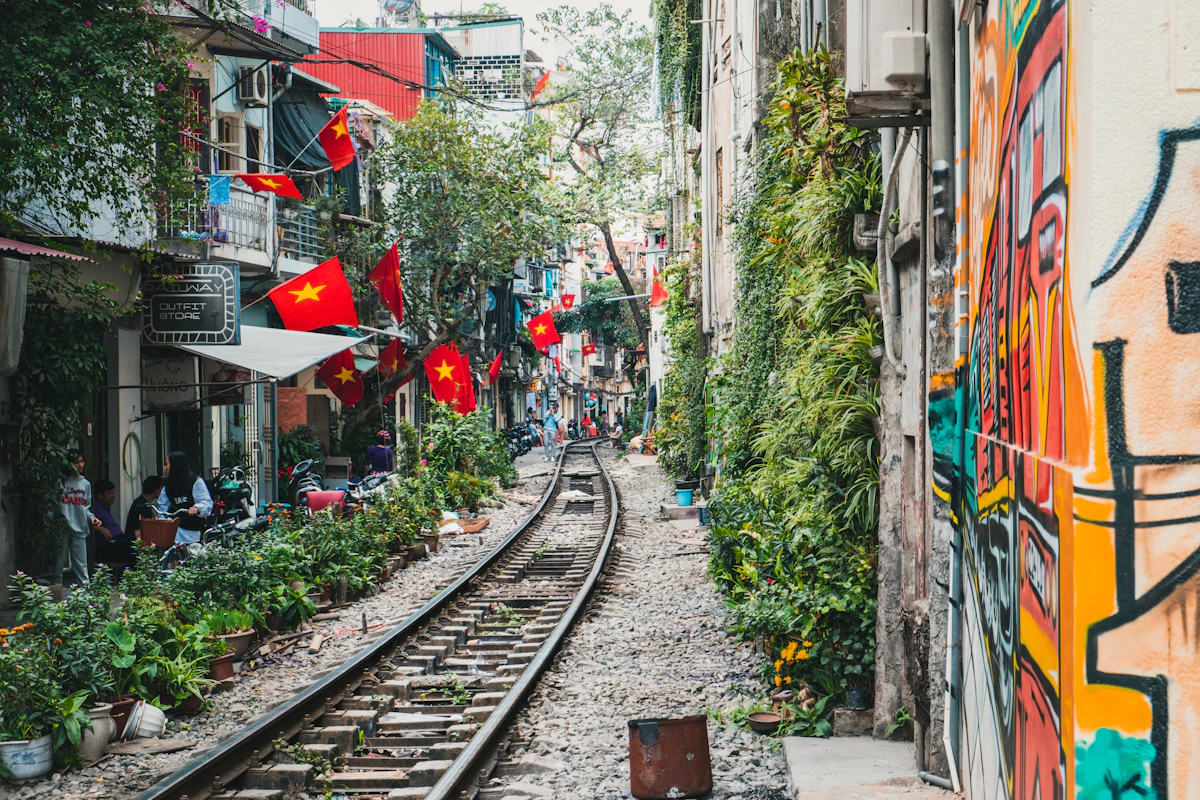
Hanoi is the oldest continuously inhabited capital in Southeast Asia, and it wears that age in a very specific way: not as monuments behind rope, but as a working city built on top of itself. The Old Quarter's thirty-six streets were medieval guild streets, and several still do what they were named for — one sells nothing but tin, another nothing but votive paper. Tube houses two metres wide and thirty deep run back from the pavement, and the pavement itself is the real living room of the city.
Most visitors give Hanoi two days and spend both of them within a kilometre of Hoan Kiem Lake. That works, but the city rewards a third. The Temple of Literature, founded in 1070 as Vietnam's first university, is a quiet courtyard sequence where 82 stone stelae on the backs of stone tortoises list every doctoral graduate between 1442 and 1779. The Imperial Citadel of Thang Long, a UNESCO World Heritage Site, sits on a site used as a seat of power for thirteen centuries — including a 1960s bunker from which the American war was directed.
The city is also the best-value food destination in the country, and it is regional rather than generic: pho here is clear and beef-based, bun cha is grilled pork in a bowl of dressed broth, and egg coffee was invented a few streets from the lake during a 1940s milk shortage. Expect to eat sitting fifteen centimetres off the ground. Expect to enjoy it.
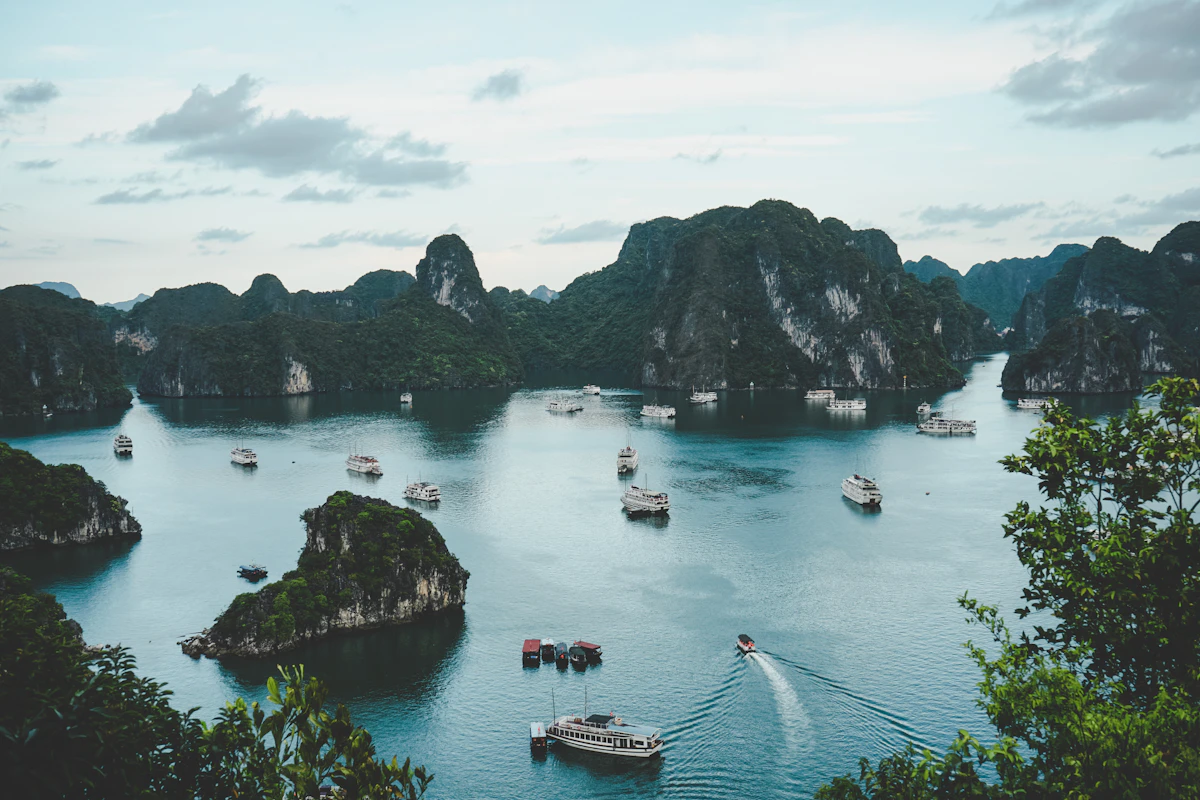
Hanoi is also the transport hub for everything in this guide's northern half. Overnight trains and sleeper buses leave nightly for Sapa, Ha Giang, Ninh Binh and Ha Long, which is why almost every two-week Vietnam route starts or ends here.