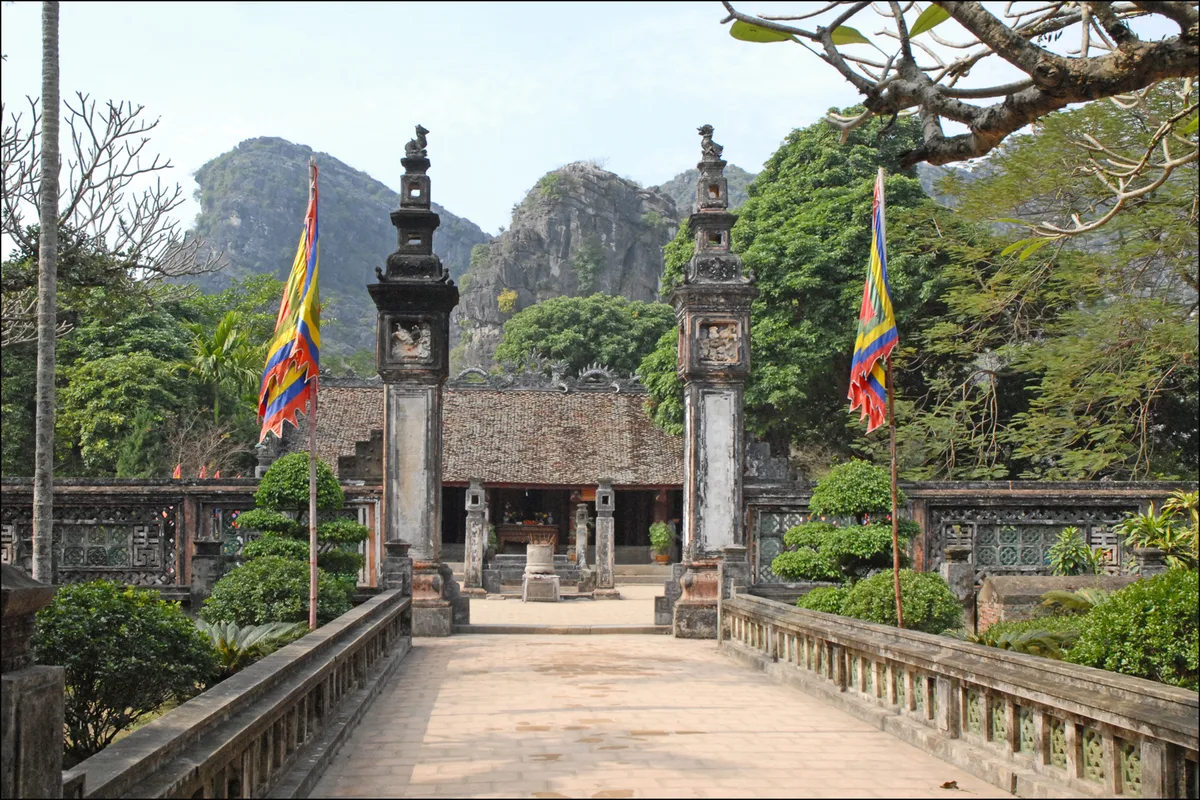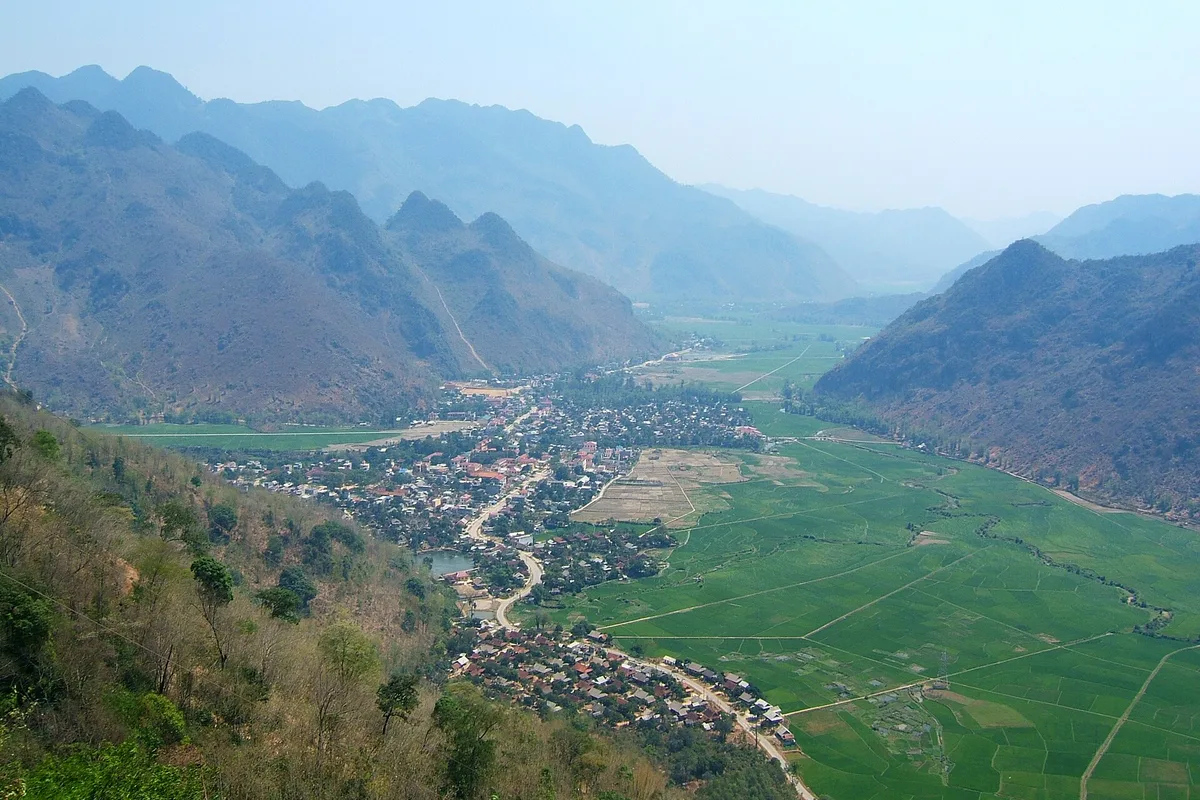
Mai Chau is small, easy and slow, which makes trip length the only real planning decision. Two days and one night is the right answer for almost everyone, and a third day only earns its place if you spend it in Pu Luong.
Mai Chau is small. The valley floor is a few kilometers across, the two villages almost everyone sleeps in are a ten-minute walk apart, and the entire appeal is that there is very little you are obliged to do. So how many days in Mai Chau is genuinely worth it, on a trip where every night has to be argued for against Ha Long Bay, Ninh Binh or one more day in Hanoi? The honest range is one to three, and the arithmetic below explains why nearly everyone lands on two.
How many days in Mai Chau: the short answer
Two days and one night. That covers the road in with a stop at the pass, an afternoon and a morning of cycling, one long dinner in a stilt house and the drive back to the capital. Add a second night only if you intend to use it for Pu Luong, the neighboring valley of terraced hillsides, or if slowing down is the explicit point of your holiday. A third night in the valley on its own is more time than Mai Chau has content for.
The travel time you have to pay first
Getting there is the real cost. Hanoi to Mai Chau is roughly 140km (about 87 miles) on Highway 6, but the road crosses a mountain pass, so it takes about four to five hours by public bus and three to four in a private car or tourist minibus. That is most of a day gone in each direction. Any plan has to start by writing off the first and last half-day, which is precisely why a same-day return is such a bad deal.
One day: possible, not advisable
You can do it, and agencies in Hanoi's Old Quarter sell it. You will spend eight to nine hours in a vehicle for roughly four hours in the valley, and leave before the light turns good. What you miss is the entire reason to come: the evening, when the day groups drive away, the village goes quiet and dinner turns into three hours around a low table. If a single day out of Hanoi is all you have, spend it in Ninh Binh, which is closer and much denser.
Two days and one night: the standard trip
Leave Hanoi in the morning, stop at Thung Khe Pass for the view down over the valley, check into a stilt house by early afternoon and spend what is left of the day on a rented bicycle. Dinner is a shared spread at your homestay, sometimes with dancing and a jar of rice wine if a group has booked it. The following morning is the best part, with mist off the paddies and the village awake early, and you can still fit in a cave or the market before leaving after lunch.
- Day one: transfer from Hanoi, stop at the pass, check in, cycle the valley lanes, homestay dinner
- Day two: early ride or walk, Chieu Cave or the local market, lunch, road back to Hanoi
- Rough cost: 1,200,000 to 2,000,000d per person (about US$48 to 80) with a shared homestay bed
Three days and two nights: adding Pu Luong
The third day only earns its keep if you actually go somewhere with it. The obvious option is Pu Luong, a nature reserve of terraced hillsides, bamboo waterwheels and small lodges a couple of hours south, which pairs naturally with Mai Chau and is the more striking landscape of the two. Others use the extra day for Go Lao Waterfall or simply a second unhurried morning. Three days is also the minimum if you want a real walk rather than a stroll.
Four days or more: who it is for
Rare, and specific. Four or five nights makes sense if you are working remotely for a week, traveling with small children who need a base rather than a route, or booked into one of the resort-style properties for the pool and the quiet rather than the sightseeing. It is a poor use of a first two-week trip, where the same nights would buy Hoi An or the Ha Giang loop.
Mai Chau against Ninh Binh and Pu Luong
These three compete for the same rural nights out of Hanoi and they are genuinely different. Ninh Binh is closer, has karst scenery on a far grander scale and much more to see, but it is busy and increasingly built up. Pu Luong is harder to reach and more dramatic, with terraces and real trekking. Mai Chau is the flattest, easiest and most sociable of the three, and the best of them for a village stay that requires almost no effort.
Where the nights come from in a two-week trip
A standard fortnight runs Hanoi, a northern side trip, Ha Long Bay or Cat Ba, then a flight south to Hoi An and Ho Chi Minh City. Mai Chau fits the northern slot, competing with Sapa and Ha Giang rather than with the coast. It is the cheapest slot to fill in time terms, needing two nights, no overnight train and no domestic flight. If Sapa or Ha Giang is already booked, you have your mountain village nights and Mai Chau adds less than you would hope.
Book the return leg on arrival, not on the day you leave. Buses out of Mai Chau are less frequent than buses in, they fill on Sunday afternoons, and the last useful departure to Hanoi is earlier than you would expect. Your homestay can hold a seat or a place in a shared car with a day's notice, which is the difference between a relaxed final morning and a scramble to the road.
Deciding in one minute
- One day: only if you have no alternative, and Ninh Binh is a better use of the same hours
- Two days and one night: the right answer for almost everyone
- Three days: worth it when the extra day goes to Pu Luong or a guided walk
- Four or more: only for a slow week, a work stay or families with young children
- Add half a day at each end for the road over the pass
- Consider skipping it altogether if Sapa or Ha Giang is already on your route