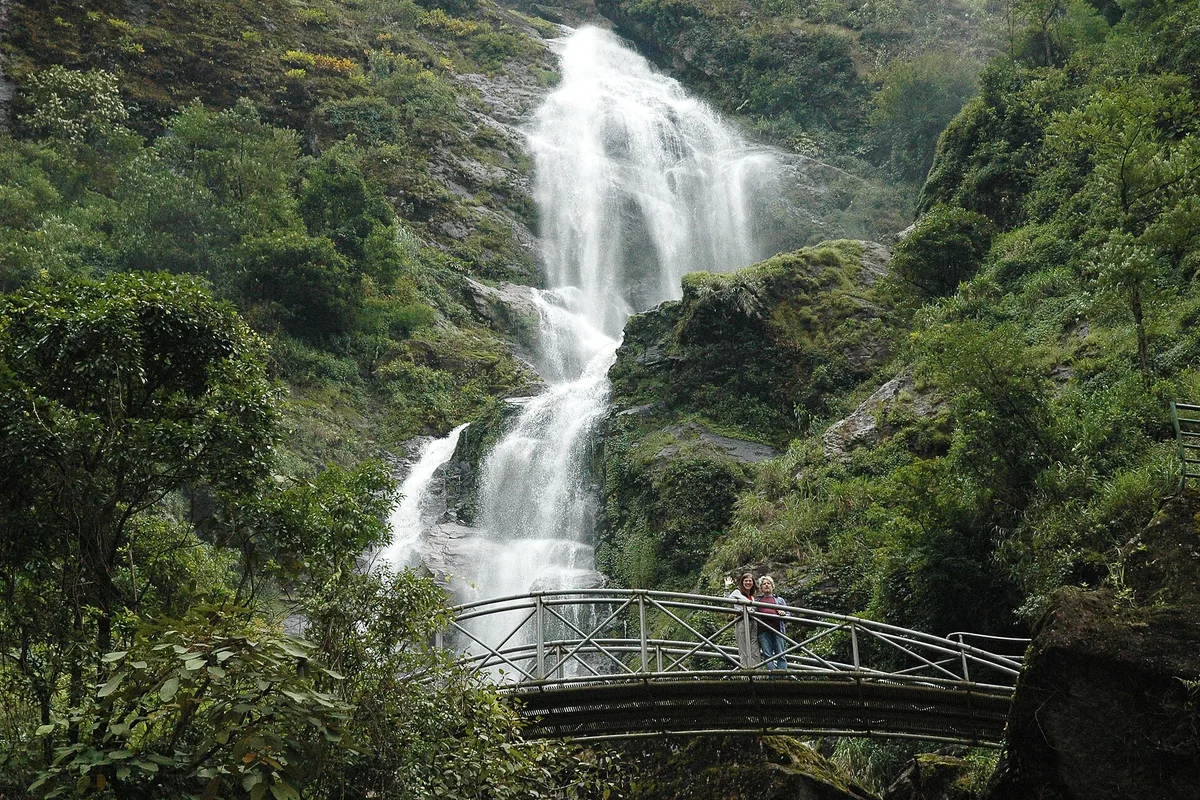
Northern Vietnam
Lao Cai Province, Northern Vietnam
Sapa
Terraced valleys under the Hoang Lien Son range, and the easiest place in Vietnam to spend two days walking between highland villages.
MountainsCultureAdventure
View details
21 results for “homestay”
Terraced valleys under the Hoang Lien Son range, and the easiest place in Vietnam to spend two days walking between highland villages.
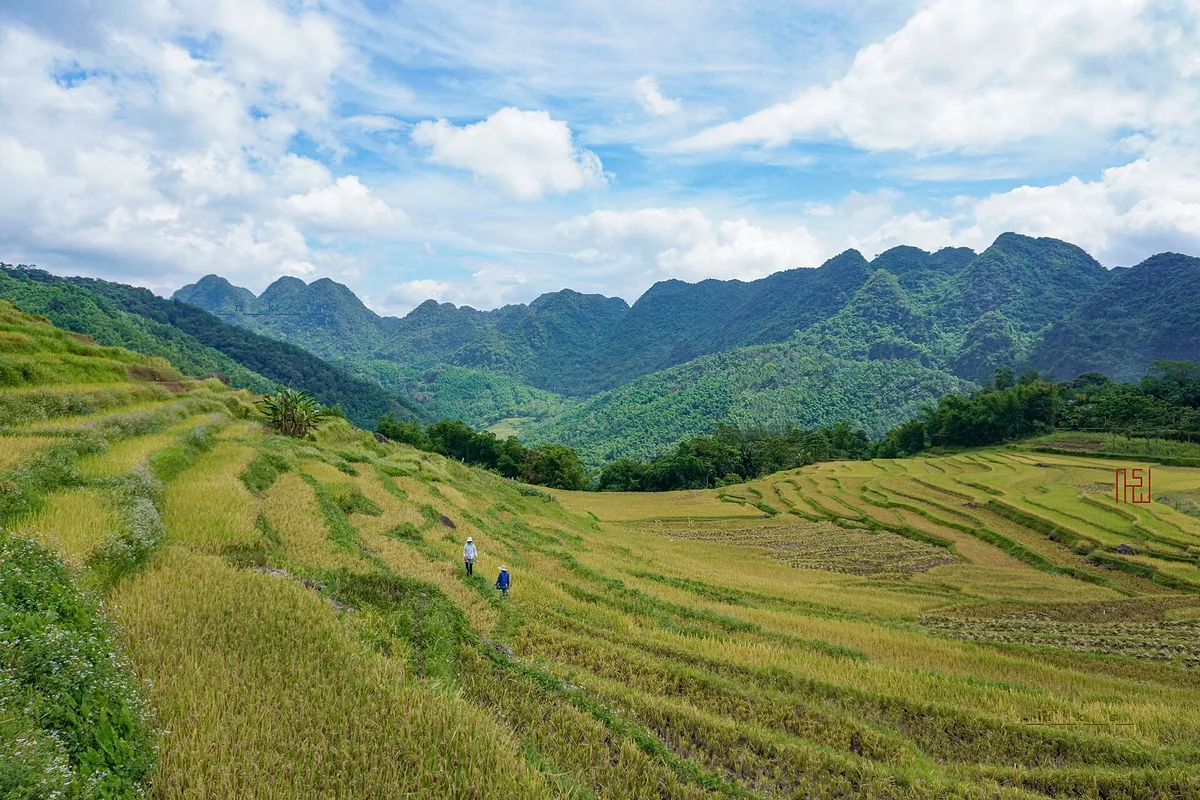
A nature reserve of terraced valleys, bamboo waterwheels and Thai stilt villages — the quiet version of Sapa, four hours from Hanoi.
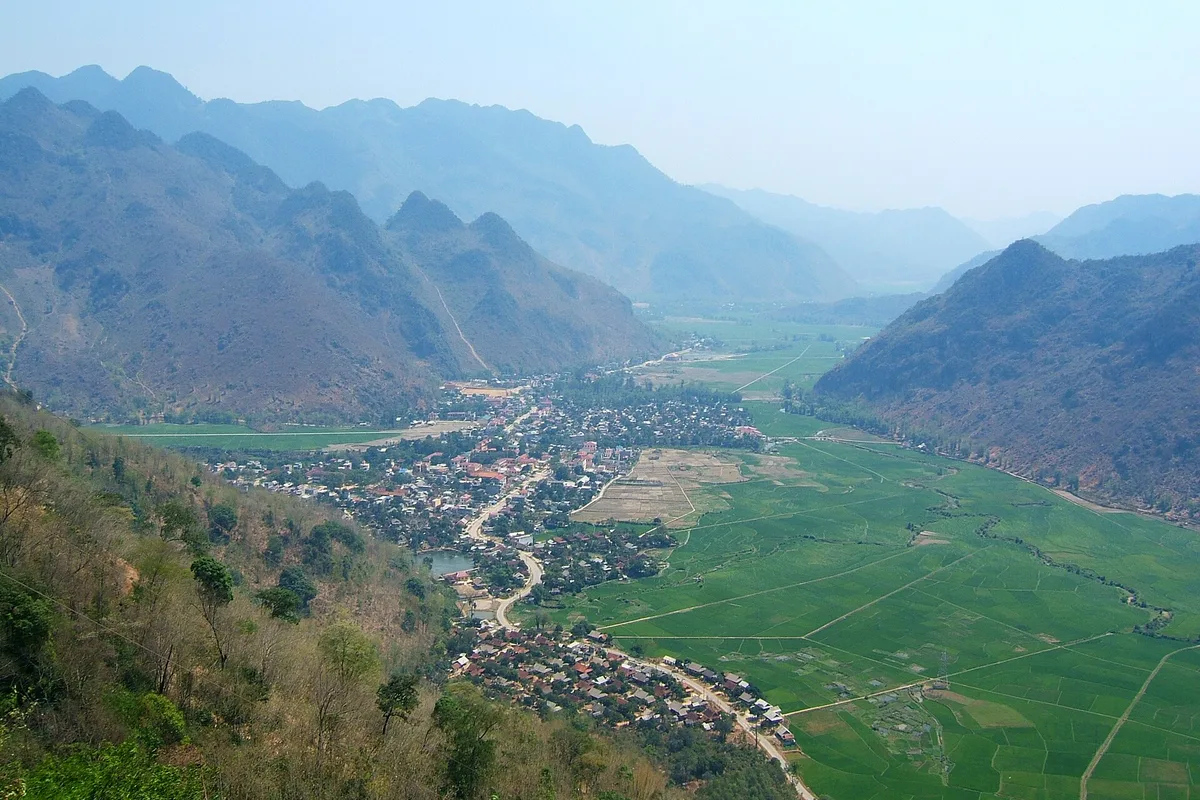
A flat green valley of Thai stilt villages three hours from Hanoi — the easiest overnight escape from the city.

Ba Be is one of the few places in the northern mountains you can organize without a tour, a motorbike license or any trekking experience. The awkward part is that the information is scattered and most homestays are not on the big booking sites.
Mai Chau is the easiest overnight escape from Hanoi that still feels genuinely rural: a flat valley of rice paddies and wooden stilt houses about 140km west of the city. This covers transport, timing, sleeping, eating and costs.

Search the big booking sites for the lake and you will find almost nothing, which alarms people. The reason is simple: nearly every bed here is in a Tay family's stilt house, and most of those take reservations by phone.
Choosing a base near Ban Gioc matters far more than choosing a hotel, because the four options are strung along 90km of mountain road. Cao Bang city, Trung Khanh, the falls themselves and a Tay stone village, compared with honest price bands.
Cat Ba is small, but pick the wrong area and dinner becomes an hour-long expedition. Five places to base yourself, from the harborfront strip to a homestay in the forest, with estimated rates and the questions to ask before you book.
There are really only three choices here: a hotel in the middle of town beside the battlefield sites, a stilt-house homestay in a Thai village, or somewhere quiet out by the lake. This guide compares them and gives honest price bands.
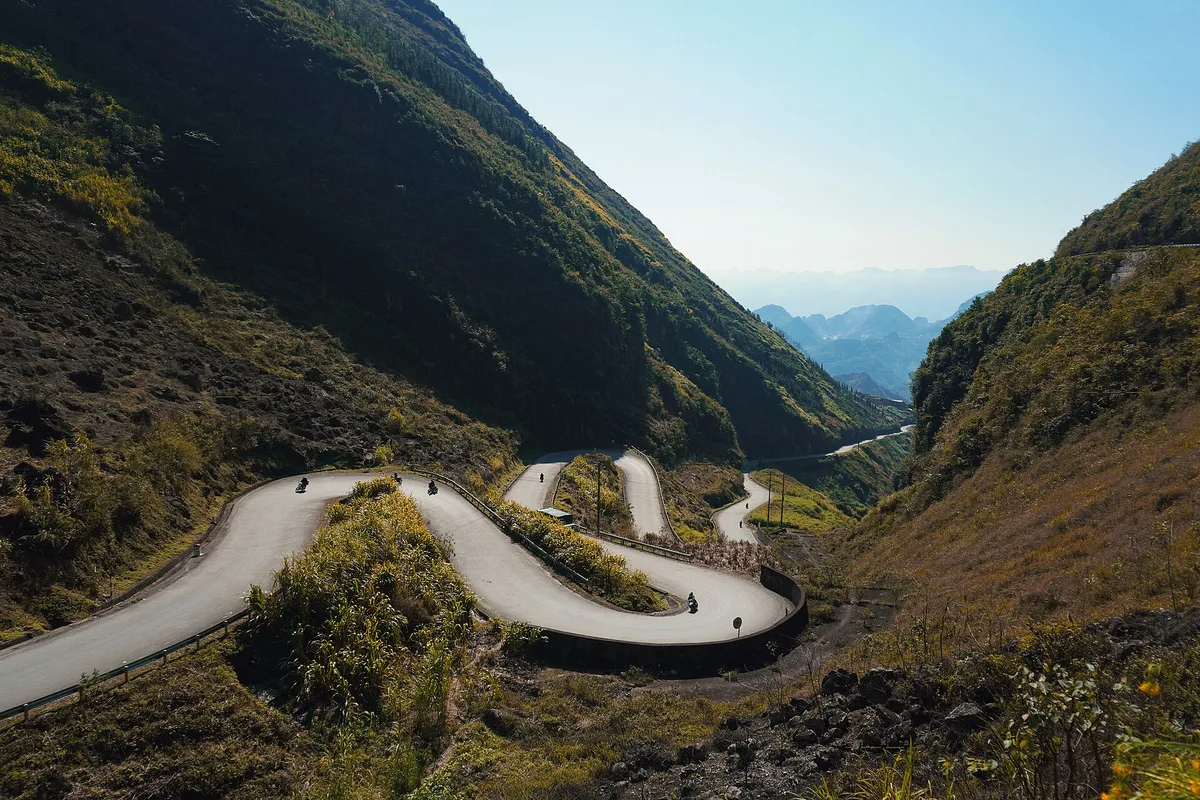
Where you sleep in Ha Giang is a routing decision more than a comfort one, because the town you pick decides how much of the next day you spend riding. Here are the bases along the loop, what a bed costs in each, and how to sequence them over three days.

In Hanoi the neighborhood matters far more than the property. This guide breaks the city into the three areas a visitor would realistically choose between, explains what a homestay actually means here, and gives honest price bands.
Mai Chau has no hotel district, so the choice is which village and which kind of building. This compares stilt houses in Ban Lac and Pom Coong, rice-field bungalows and eco-lodges, with honest price bands.

The choice in Moc Chau comes down to convenience in town or a view over the tea hills, and the two trips feel very different. This guide compares the areas, decodes what homestay means here, and gives honest nightly price bands.
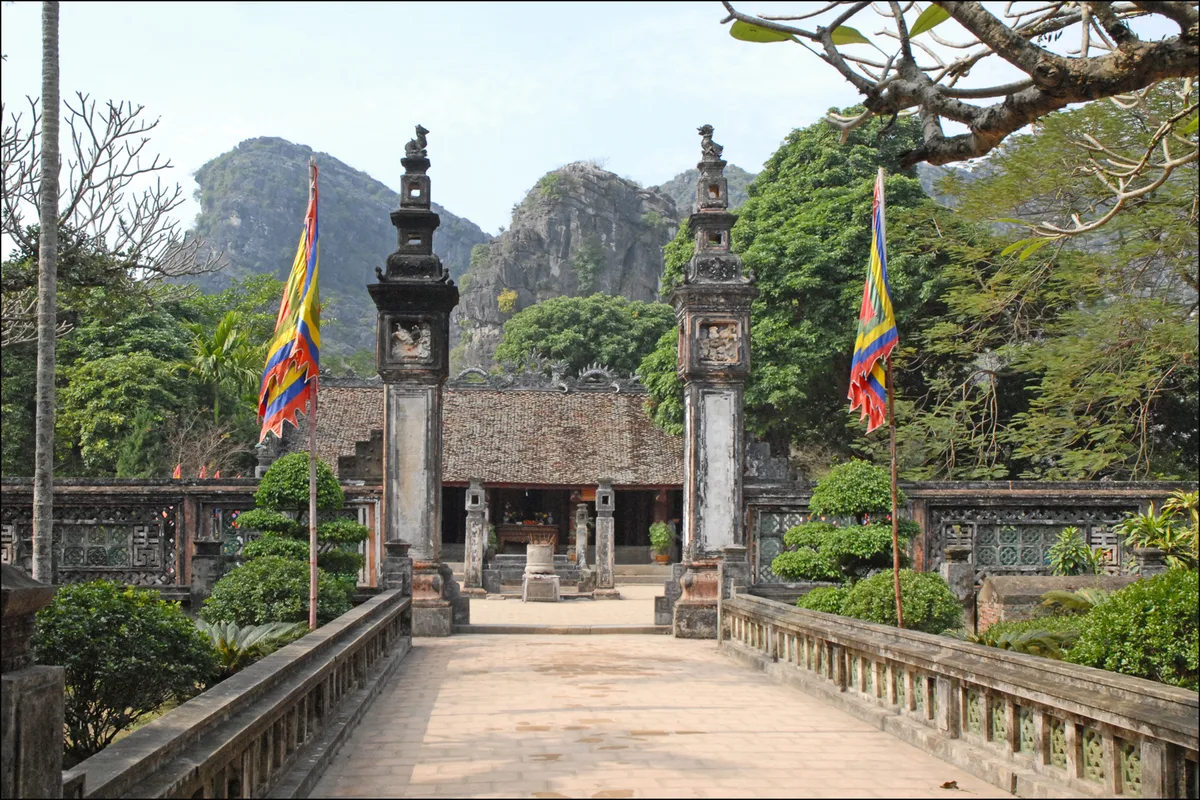
In Ninh Binh the area matters more than the property. Your choice decides what time you have to get up, and whether there is anywhere to walk to after dinner. Here are the five areas worth considering, with price ranges and who each suits.
There are no hotels in the usual sense inside Pu Luong, only stilt-house homestays and hillside lodges of wooden bungalows. This guide compares the villages you can base yourself in, explains what those lodge prices actually buy, and lists what to ask before you book.

The real decision in Sapa is not which hotel but which side of it you sleep on. Town puts you next to the buses and the grills; a valley homestay puts you in the terraces at first light. Here is how the areas compare, with price bands.
Three days is the length that makes the long drive north from Hanoi worth taking. This plan gives the first afternoon and the last morning to the road, and hands the whole middle day to the boat route through Puong Cave.

There are no restaurants worth the name around the lake. Dinner happens on the wooden floor of a Tay stilt house, cooked by the family you are staying with, and it is one of the best meals in northern Vietnam if you order it in advance.
There are almost no restaurants in the villages of Pu Luong, so eating here means whatever the kitchen at your homestay cooks. That is better than it sounds. This is what to order, how far ahead to ask for it, and roughly what a meal costs.
Three days is the version of Mai Chau that includes a day in Pu Luong next door. Here is the plan hour by hour, with road times from Hanoi, rough costs, and the two or three decisions that actually change the trip.

Dinner in Mai Chau is a shared spread eaten on the floor at a low table, and it is Thai ethnic minority cooking rather than the food you ate in Hanoi. Here is every dish explained, plus how to order it and what to bring home.