Northern Vietnam
Northern Vietnam
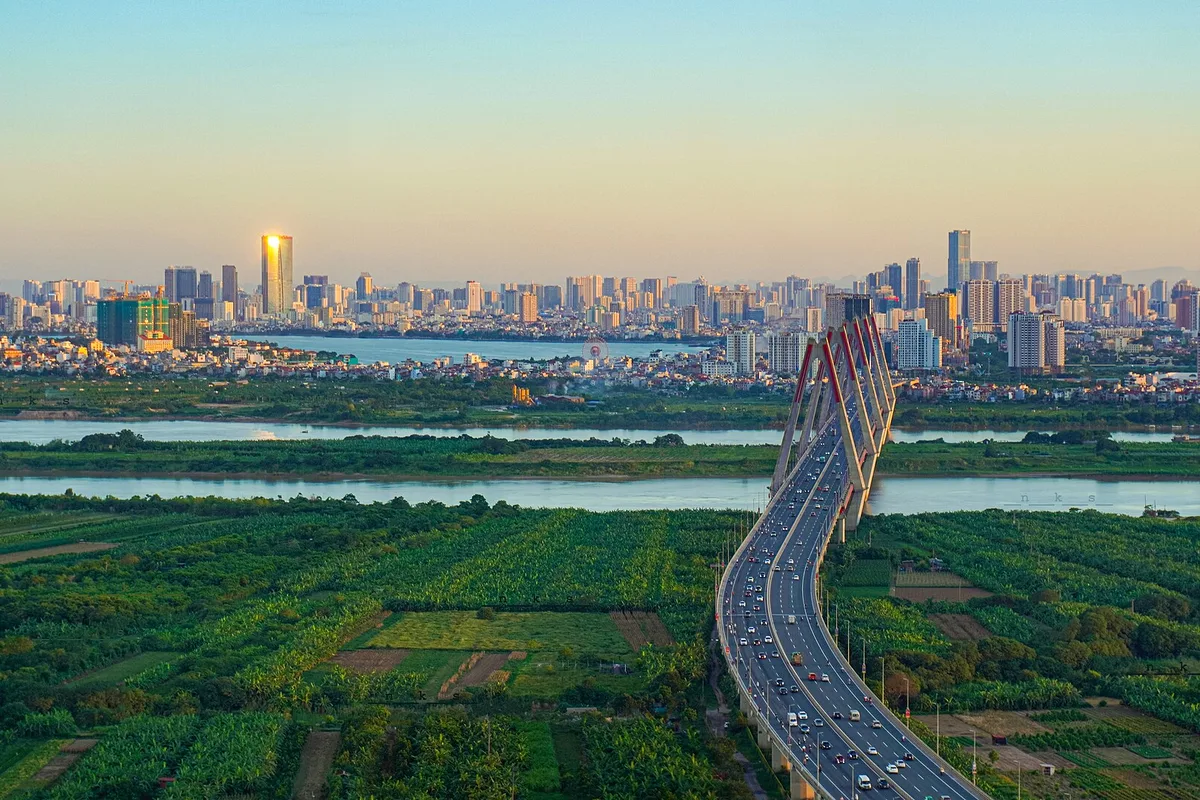
Hanoi
A thousand-year-old capital that still runs on plastic stools, motorbike horns and the smell of charcoal — and the natural first stop for the north.
CitiesCultureFood
View details
99 results for “Vietnam”
A thousand-year-old capital that still runs on plastic stools, motorbike horns and the smell of charcoal — and the natural first stop for the north.
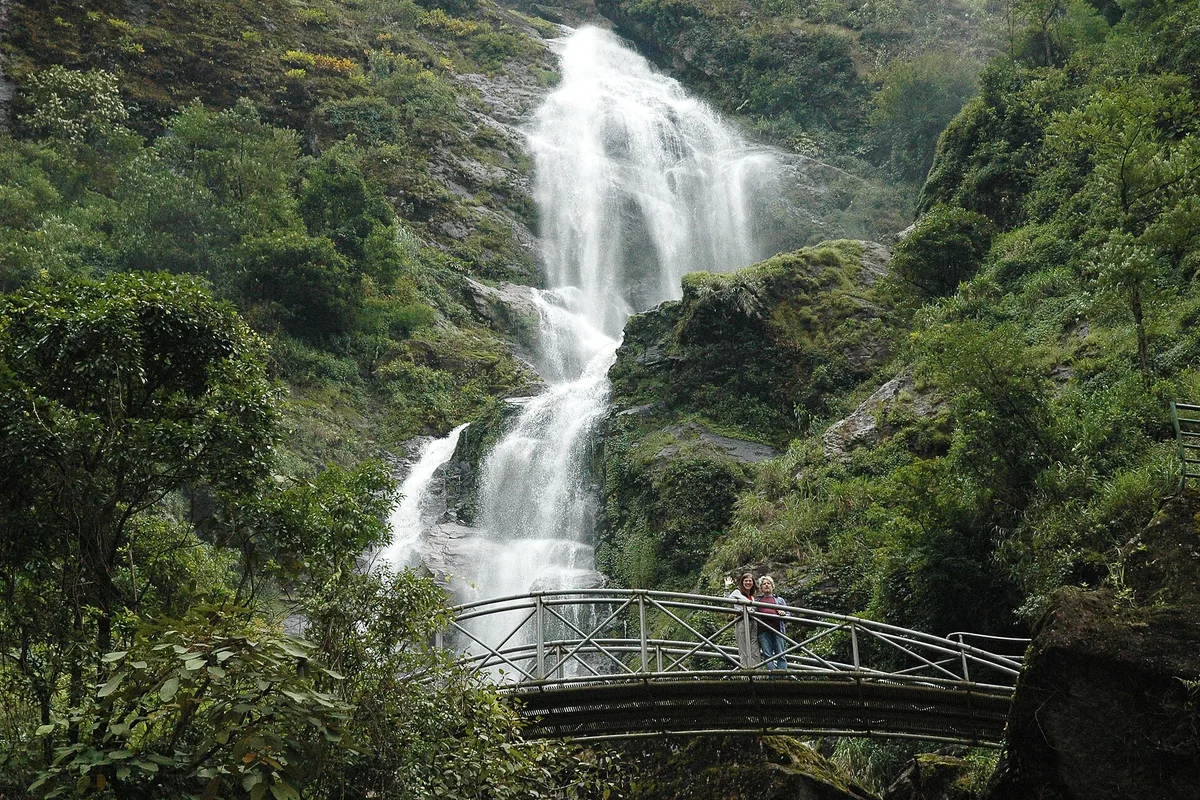
Terraced valleys under the Hoang Lien Son range, and the easiest place in Vietnam to spend two days walking between highland villages.
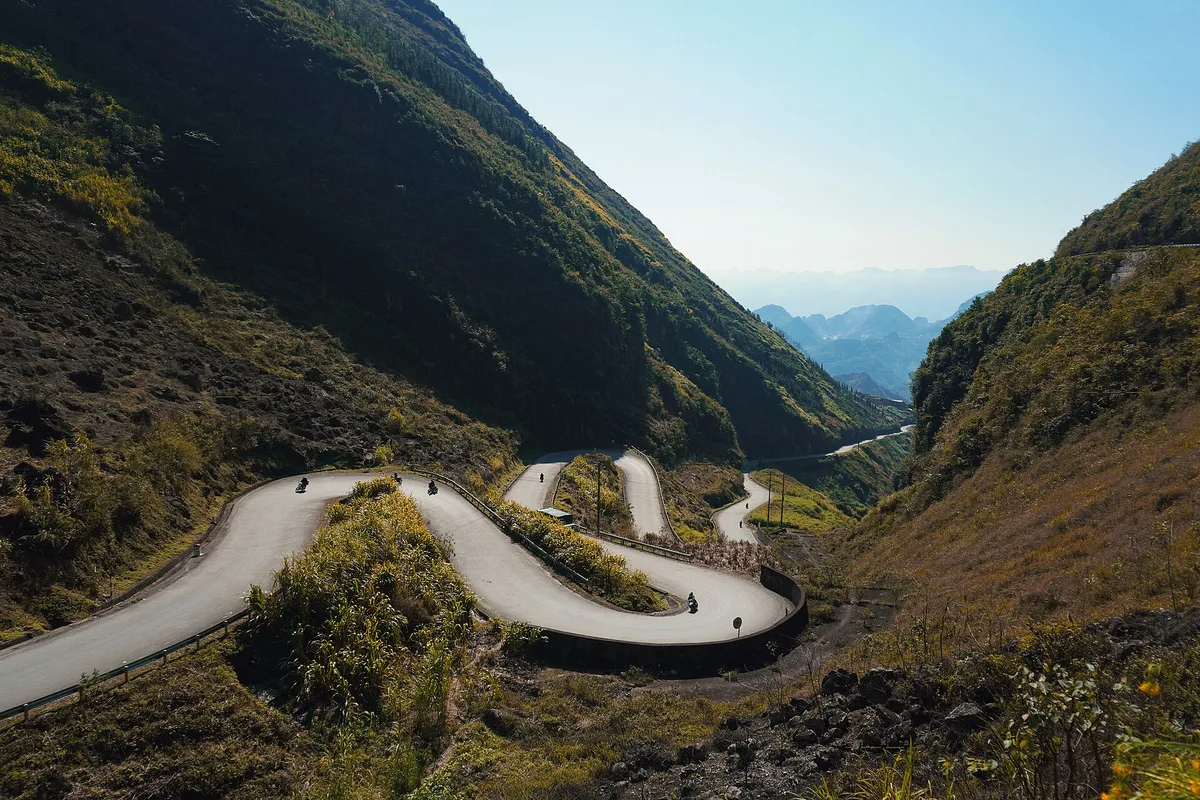
The northernmost province in Vietnam, and the country's best road trip: three or four days of limestone plateau, hairpin passes and border villages.
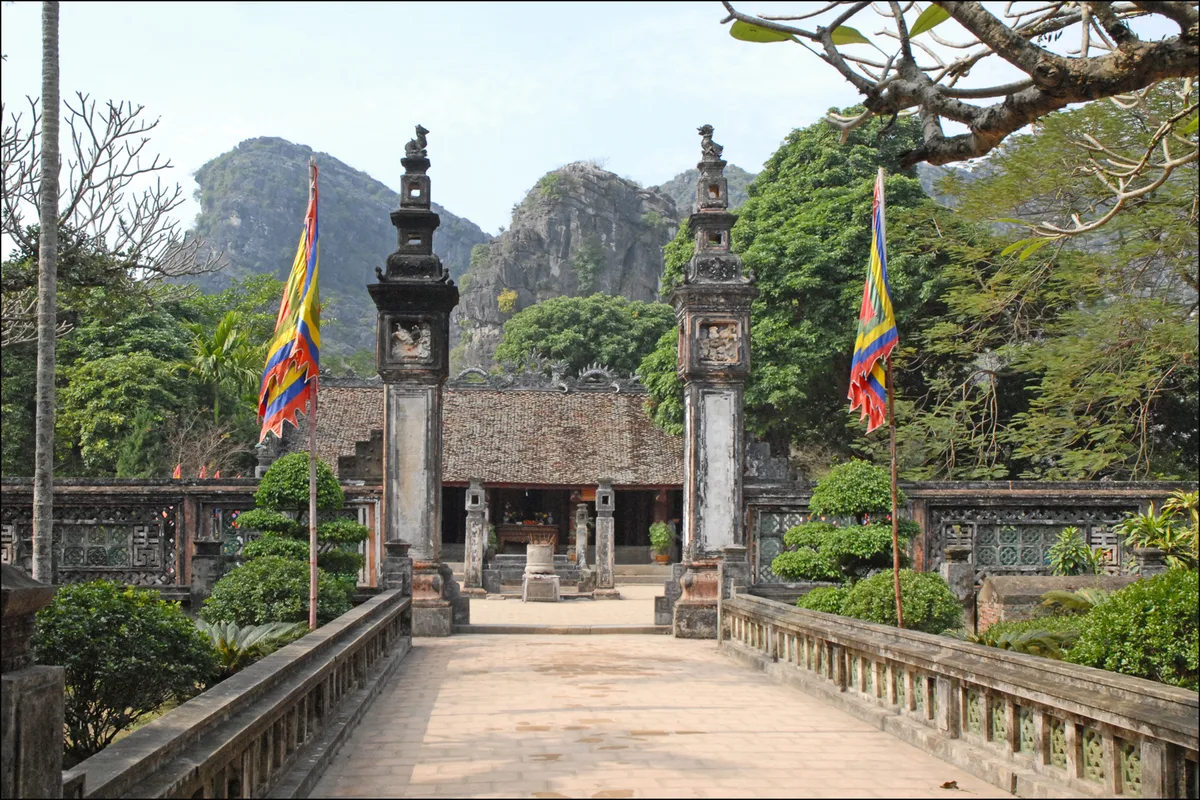
Ha Long Bay's limestone towers, but standing in rice fields instead of the sea — and only 90 minutes from Hanoi.

Around 1,600 limestone islands in the Gulf of Tonkin, seen properly only from a boat that stays out overnight.
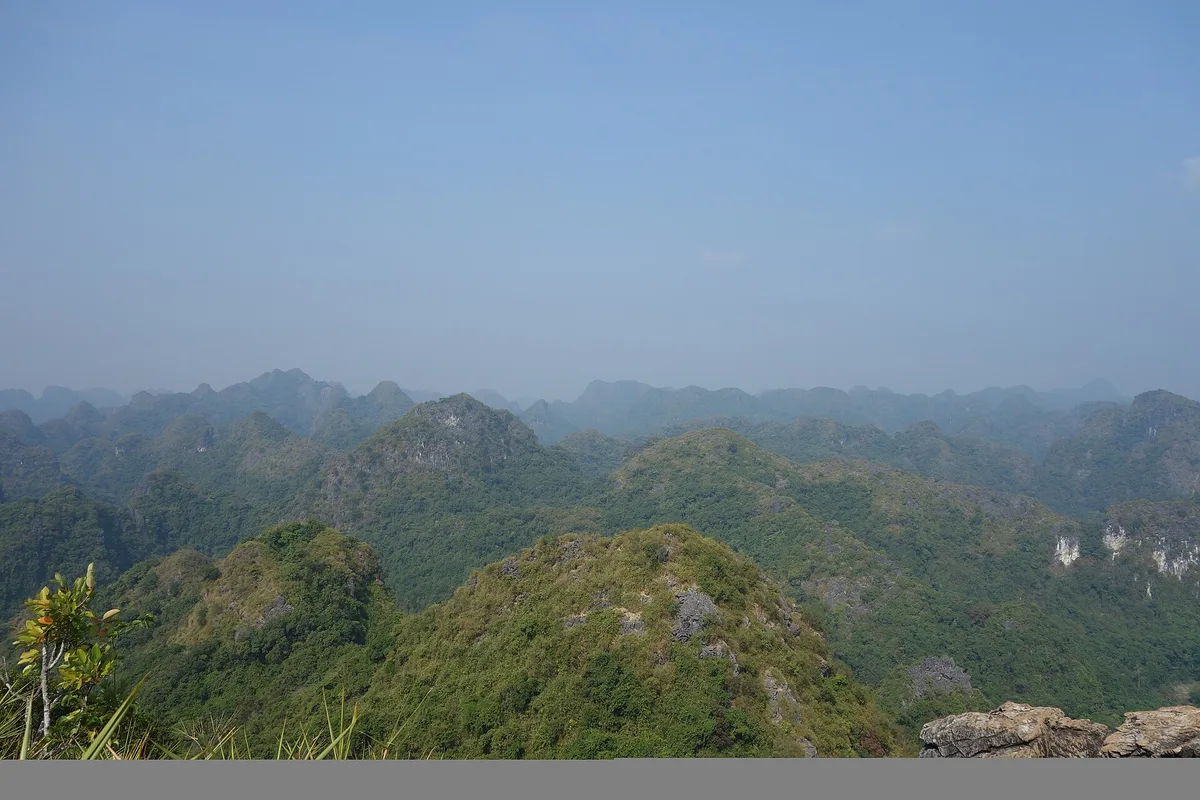
The largest island in the Ha Long archipelago, with a national park, a climbing scene and the beaches Ha Long Bay does not have.
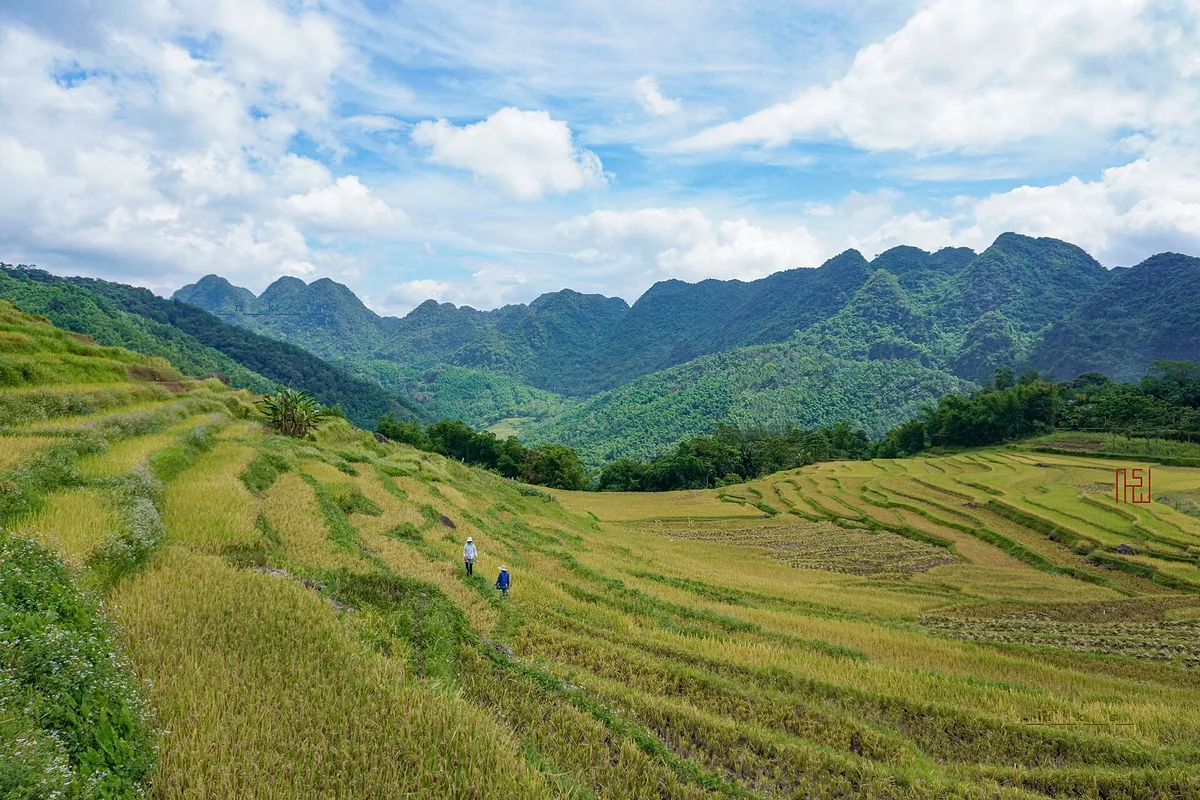
A nature reserve of terraced valleys, bamboo waterwheels and Thai stilt villages — the quiet version of Sapa, four hours from Hanoi.
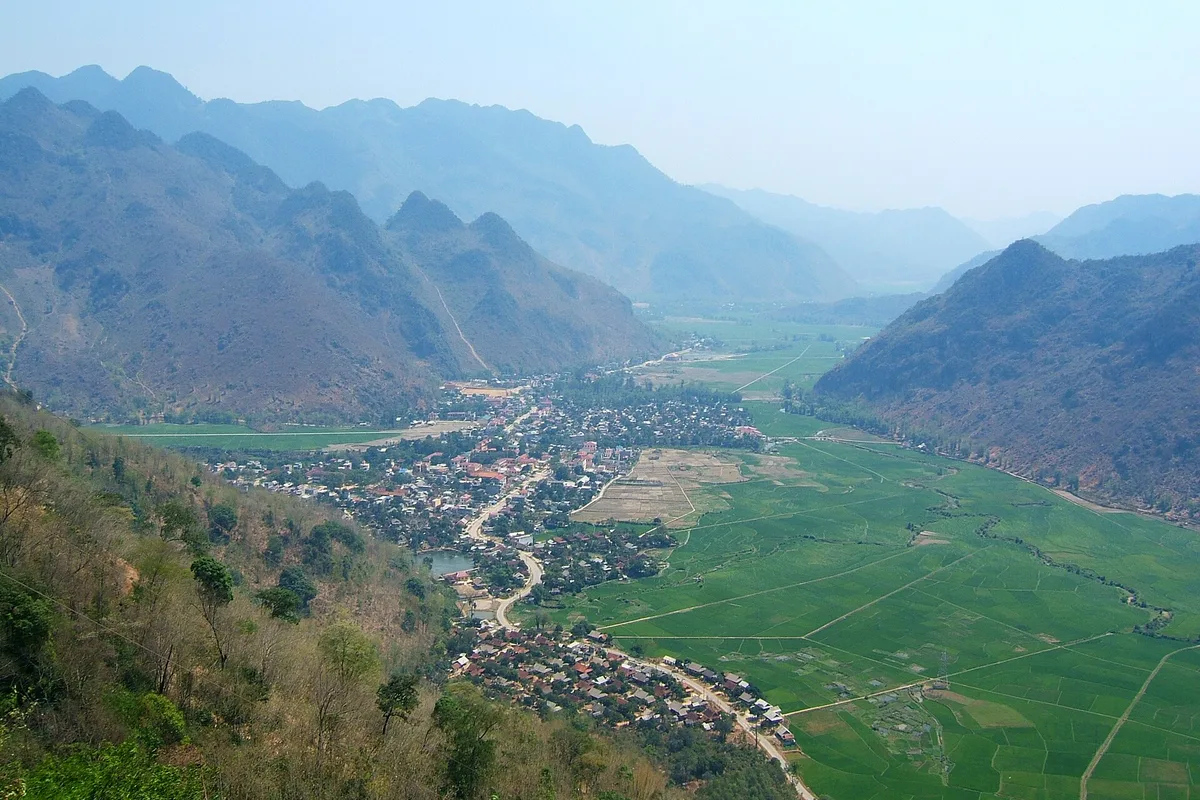
A flat green valley of Thai stilt villages three hours from Hanoi — the easiest overnight escape from the city.

A high plateau of tea terraces, dairy farms and plum orchards that turns white with blossom in January and February.
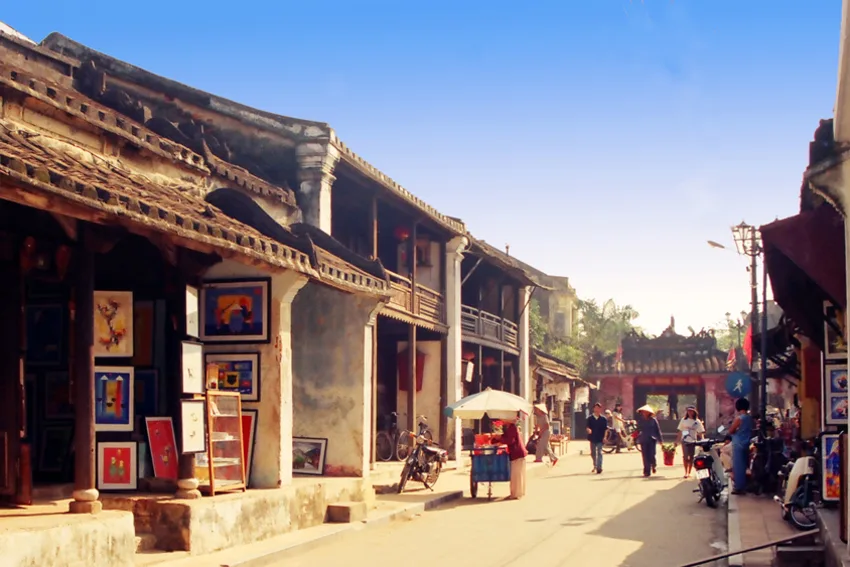
A UNESCO-listed trading port that stopped growing in the 19th century and therefore survived intact — lanterns, tailors and a beach twenty minutes away.
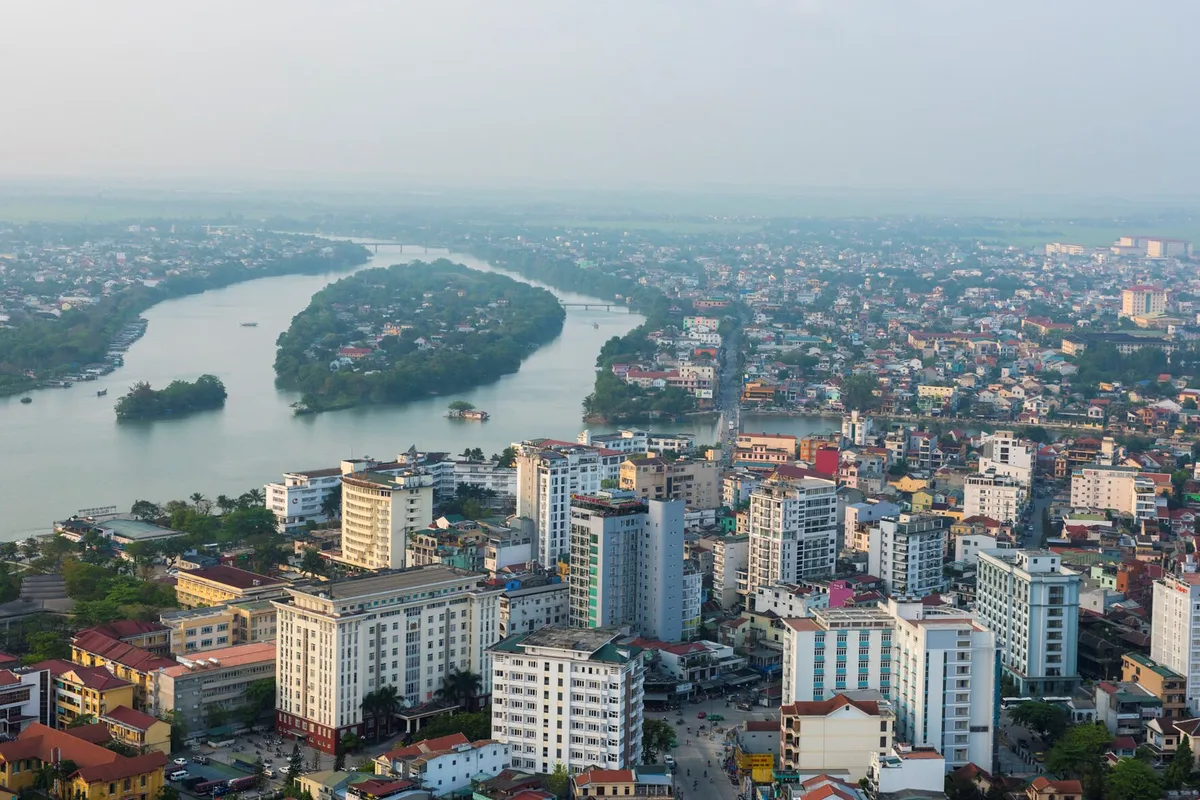
Vietnam's imperial capital from 1802 to 1945, with a walled citadel, seven royal tombs along the river and the country's most distinctive regional cooking.

Central Vietnam's gateway city: thirty kilometres of beach, a mountain pass at each end, and the only international airport between Hanoi and Ho Chi Minh City.
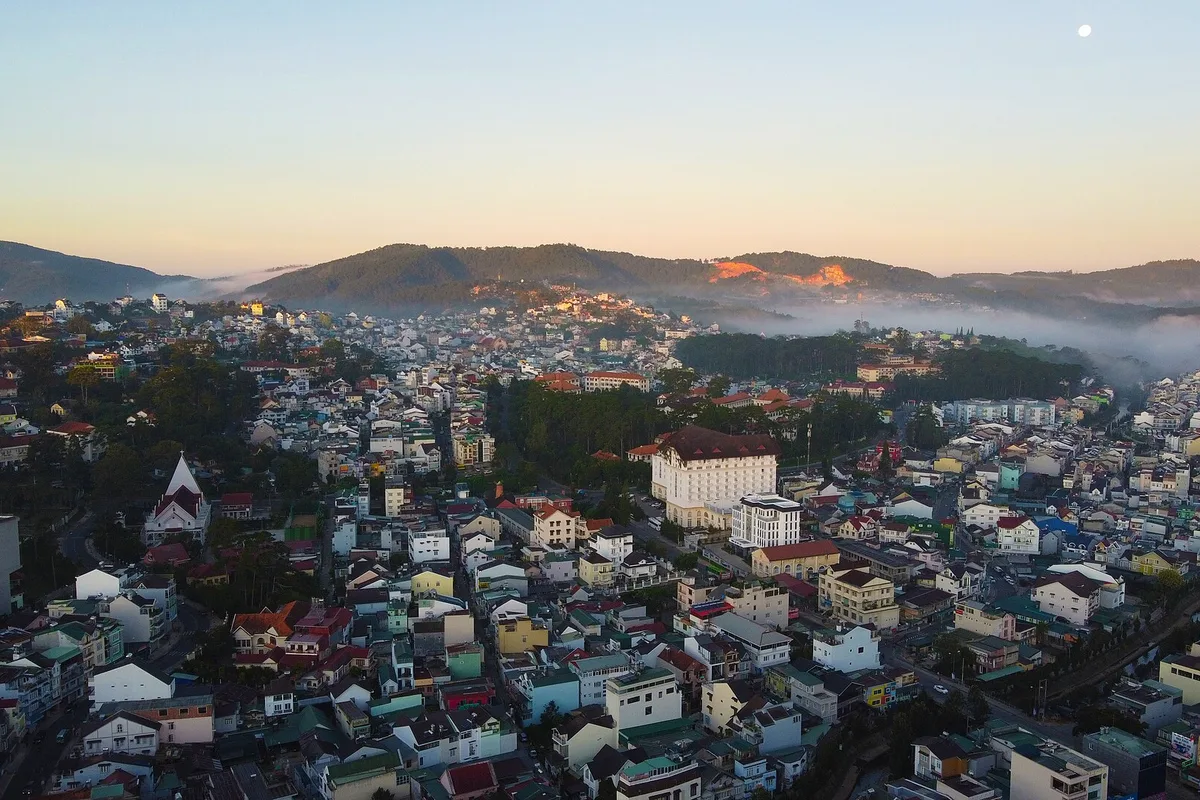
A pine-forested hill town at 1,500 metres, built by the French as an escape from the heat and still the coolest city in Vietnam.

A six-kilometre city beach in a sheltered bay, with Cham towers behind it, islands offshore and the country's most reliable diving.
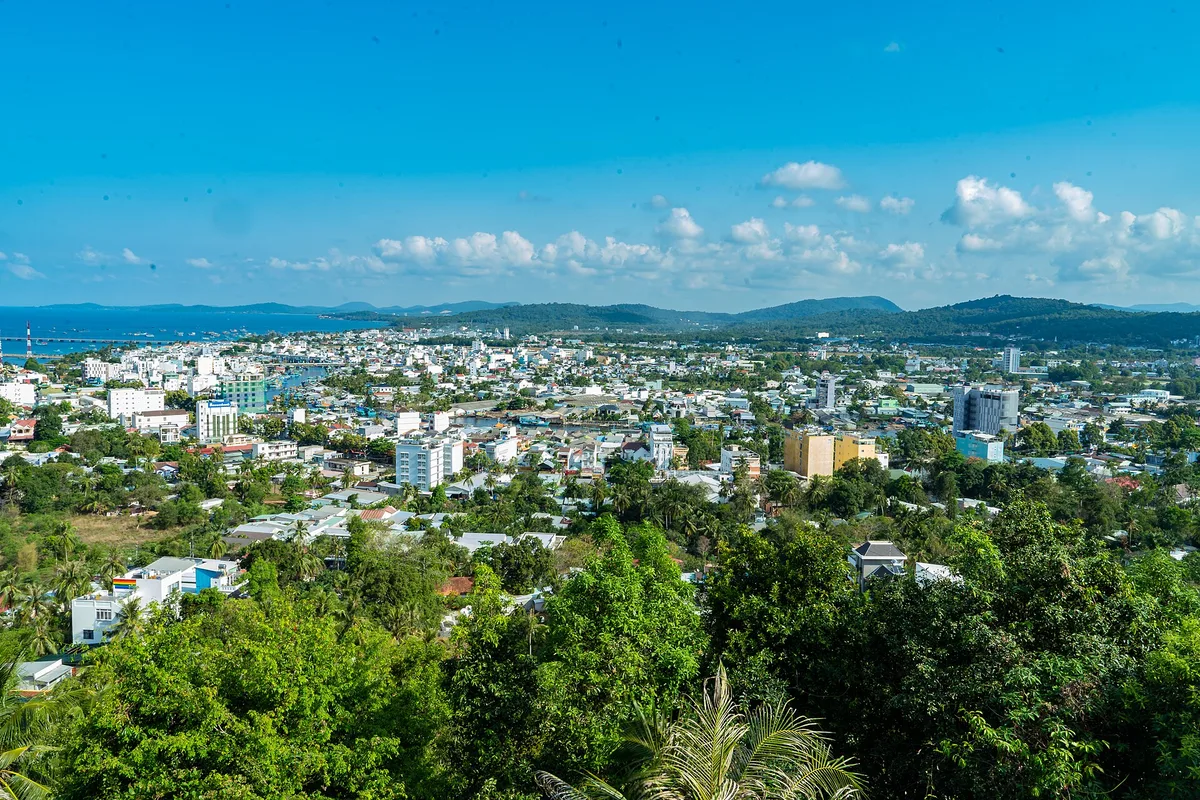
Vietnam's largest island, in the Gulf of Thailand: white-sand beaches, a national park over half its area, and a dry season while the mainland is wet.
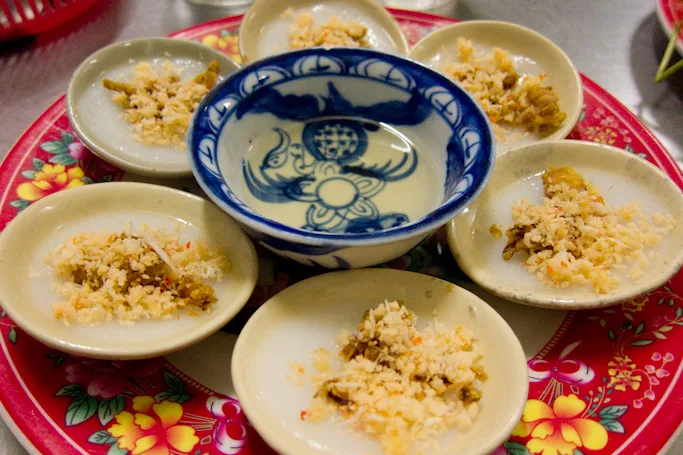
Thumb-sized saucers of steamed rice batter topped with dried shrimp floss and pork cracklings, eaten a dozen at a time in Hue with sweet fish sauce.
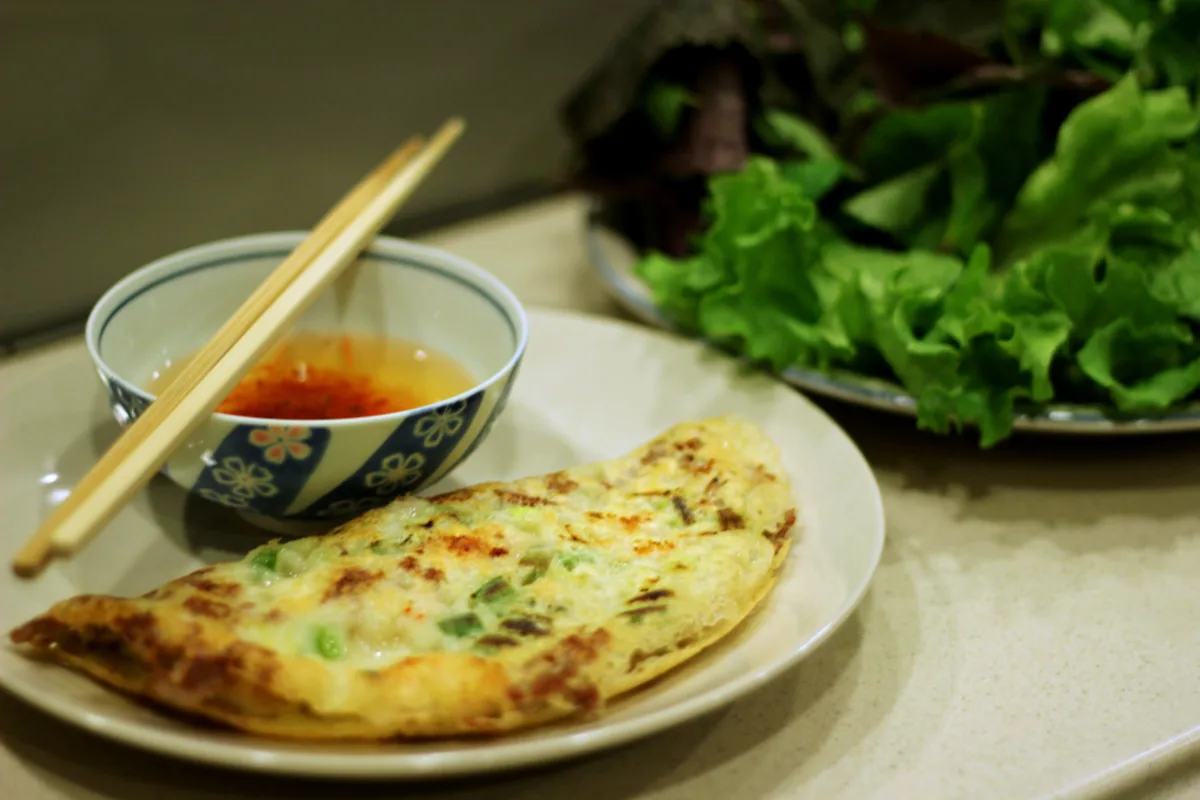
A turmeric-yellow rice flour crepe the size of a dinner plate, fried crisp with shrimp, pork and bean sprouts, then torn up and wrapped in herbs.

Hai Phong's signature bowl: crisp fried fish and springy fish cake in a sour, chili-red broth with rice vermicelli, eaten at any hour of the day.
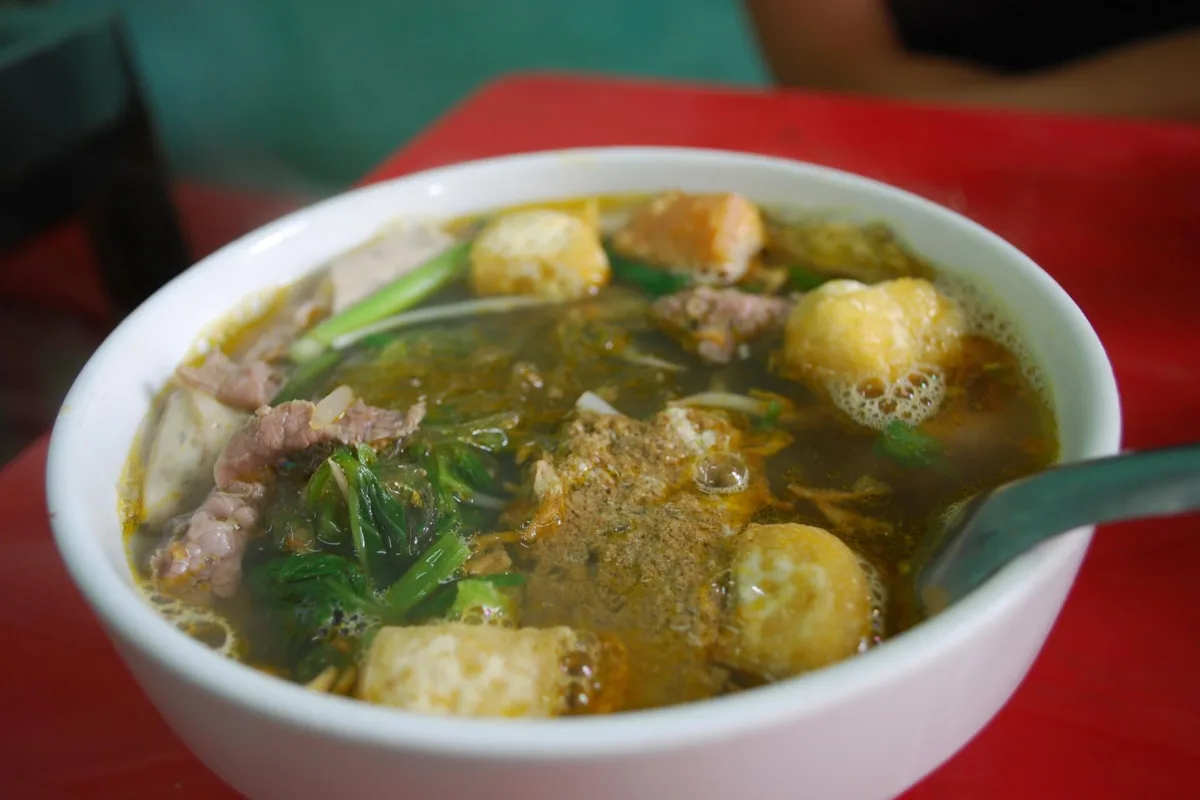
A tart, tomato-red noodle soup built on freshwater paddy crab, with clouds of crab curd, fried tofu and a basket of raw herbs. Hanoi's classic morning bowl.

Turmeric-marinated fish grilled, then finished in a pan of hot fat at your table with a bale of dill, eaten over rice noodles with peanuts and shrimp paste.
Cold rice tossed with tiny river clams, pork cracklings, peanuts, crushed crackers, herbs and fiery shrimp paste, with a bowl of hot clam broth on the side.

Fresh, unfried rolls of shrimp, pork, noodles and herbs in translucent rice paper, dipped in a thick peanut and fermented soybean sauce.

A clear, sweet pork and dried seafood broth over springy noodles, loaded with shrimp, minced pork, quail eggs and offal. Ho Chi Minh City's breakfast of choice.
Wide turmeric-yellow rice noodles under just enough intense broth to coat them, topped with shrimp, chicken, peanuts and a shard of sesame rice cracker.

A short, opinionated list: ride-hailing, offline maps, camera translation, the messaging app Vietnamese businesses actually answer, and an honest account of why local payment apps will not work for you.
Ba Be is one of the few places in the northern mountains you can organize without a tour, a motorbike license or any trekking experience. The awkward part is that the information is scattered and most homestays are not on the big booking sites.
Ban Gioc is a long way from anywhere you land, and worth it if you plan the road properly. This guide covers the transport chain from Hanoi, the water seasons, what else in Cao Bang justifies the distance, where to sleep and what the trip costs.
Dien Bien Phu is a pilgrimage rather than a general holiday stop, and it needs planning that most Vietnam destinations do not. This guide covers getting there from an international arrival, what it costs, when to go and how to organize the days on the ground.
Ha Giang is the far northern corner of Vietnam and the reason people go is a single loop of mountain road. This guide covers getting there from Hanoi, the three ways to ride the loop, what a trip costs and everything to sort out before you leave home.

Everything a first-time visitor needs to arrange Ha Long Bay without a package: how to get there from Hanoi or the airport, which bay to choose, day boat versus overnight cruise, what things cost and what the fare does not include.
Hai Phong is one of the easiest places in northern Vietnam to travel independently, until you try to reach the island. This covers getting there from Hanoi, crossing to Cat Ba, choosing a base, splitting the days and what a trip actually costs.
For most people arriving in northern Vietnam, Hanoi is the first city and the base for everything after it. This guide covers the practical layer: the airport transfer, visas, money, how long to stay and how to use the city as a launchpad.
The short answer is yes, and the useful answer is more specific than that. Here is what the real risks are in Vietnam, what genuinely is not a problem, and the handful of precautions that are worth the effort.
Mai Chau is the easiest overnight escape from Hanoi that still feels genuinely rural: a flat valley of rice paddies and wooden stilt houses about 140km west of the city. This covers transport, timing, sleeping, eating and costs.
Moc Chau is a cool green plateau of tea terraces, dairy farms and flower valleys, four to five hours west of Hanoi by road. This guide covers getting there, when to come, how long to stay, what things cost and whether it deserves a slice of a two-week trip.
Ninh Binh is one of the easiest places in northern Vietnam to organize yourself: two hours from Hanoi, everything within a short ride, no tour required. This covers getting there, boat tickets, transport, timing and what it all costs.
Pu Luong is the terraced valley people go to when Sapa sounds too crowded and Ha Giang too far. This guide covers the road in from Hanoi, what the accommodation labels actually mean, food, costs for three days, and the mistakes first-timers make.

Everything you need to arrange a Sapa trip independently: getting up from Hanoi, how long to stay, moving around once you are there, what it costs, and a straight answer on whether the town lives up to the photographs.
One clause decides whether your policy is worth anything in Vietnam, and it is the motorbike exclusion. Here is what to check before you buy, from evacuation limits to why the hospital wants paying before it treats you.
Data in Vietnam is cheap and easy to buy, but the choice between an eSIM bought at home, an airport counter and a shop in town has real trade-offs. Here is what each costs, what you need to register, and which network to pick.
Almost every scam a visitor meets in Vietnam is the same trick wearing a different costume: a price that appears after the service. Here is the mechanic behind each of the common ones, and the single move that defuses them.
The real decision in Sapa is not which hotel but which side of it you sleep on. Town puts you next to the buses and the grills; a valley homestay puts you in the terraces at first light. Here is how the areas compare, with price bands.
Cold mornings, pine ridges and more cafes than anywhere else in Vietnam. A three day plan for two people who would rather sit somewhere with a view than tick off a list.
Three days is the right length for a cool-climate hill town that is smaller than its reputation. Here is how to spend them, what it costs, and which parts of the Da Lat sales pitch to ignore.
The airport most visitors to central Vietnam land at, attached to a long beach, a mountain theme park and two of the country's best day trips. How many days it deserves and what it costs.
Vietnam's imperial capital for a century and a half, with a walled citadel, a scatter of royal tombs along the river and the most distinctive regional cooking in the country.

Hai Phong has a real sea season, a real typhoon season and a run of clammy late-winter weeks that catch people out. Here is how the year runs, month by month, and which weeks suit a boat trip rather than a food trip.
Three days is enough to eat your way through a port city and still get two proper days on Cat Ba Island. This plan splits the time half-day by half-day, and includes a version for when the boats are not running.
The answer turns almost entirely on one question: is Cat Ba Island part of your plan or not? This works through what each length of stay actually buys you, and where a port city fits into a two-week Vietnam trip.

Hai Phong is the best eating city in northern Vietnam and almost no foreign traveler stops for it. The dishes are spicier than Hanoi's, heavier on shellfish, and sold by stalls that open for a few hours and then shut.
Dien Bien Phu is a battlefield you walk around outdoors, so the month you choose changes the day more than it would in a city of museums. Here is the dry season, the rains, the ban blossom in March and the May 7 anniversary, laid out month by month.
Three days and two nights is the standard length for Dien Bien Phu: one day for the 1954 battlefield in the middle of town, one for the valley and the hill country around it, and a half day before your flight. Here is how it runs, with real costs.
Dien Bien Phu is a long way from anywhere, so the honest question is not how many days the sights take but how many days the journey is worth. Here is the arithmetic, by transport, by interest level and against the rest of a two-week Vietnam trip.
The 1954 battlefield is spread through the middle of a working provincial town, which makes it unusually easy to walk. This is the shortlist of what to see, what each site was during the siege, and what is worth seeing once the history is done.

The food here belongs to the Thai people of the northwest uplands, not to the Vietnam of pho and banh mi: charcoal grills, a numbing mountain pepper, sticky rice steamed in wood, and smoked buffalo. This is what each dish is and how to order it.

Three days and two nights is the shortest sensible way to reach Ban Gioc from Hanoi, see it properly and get home. This is the day-by-day version, with the overnight bus at either end, the cave and stone village beside the falls, and honest per person costs.
Ban Gioc is a monsoon waterfall, so the month you pick changes the size of the thing you came to see. Here is what each part of the year looks like on the Quay Son river, from the full-volume summer to the thin, clear winter.
The waterfall itself takes about two hours. The days go on the road from Hanoi and on everything else spread around Cao Bang, which is why the honest answer is three. Here is the arithmetic, day by day, and how it competes with Ha Giang for the same week.
The waterfall occupies about two hours of a trip that costs three days, so the useful list is everything else within reach. A cave, a Tay stone village, a historic cave site and a mountain with a hole through it, ranked by whether they justify the drive.
There is almost nothing to eat at the falls themselves, so the real question is what to eat in the region around them. Border cooking: rice rolls in bone broth, cold sour noodles, seven-spice roast duck and a chestnut people drive a long way for.
Three days is the length that makes the long drive north from Hanoi worth taking. This plan gives the first afternoon and the last morning to the road, and hands the whole middle day to the boat route through Puong Cave.

September to November is the honest answer: dry skies, clear water and mist on the lake at dawn. But every season here delivers a different lake, and the waterfall is at its most impressive in the months everyone tells you to avoid.
The drive from Hanoi eats ten to twelve hours of your trip before you have seen anything, which rules out the day trip most people first consider. Here is the arithmetic on two, three and four days, and where the lake fits in a two-week Vietnam route.
The boat route through Puong Cave is the headline, but the park also holds a waterfall, an undeveloped cave, forest trails and three Tay villages on the shore. Here is what is worth your time and the order to take it in.
There are no restaurants worth the name around the lake. Dinner happens on the wooden floor of a Tay stilt house, cooked by the family you are staying with, and it is one of the best meals in northern Vietnam if you order it in advance.
Pu Luong grows two rice crops, so the terraces turn gold twice a year rather than once. Here is what each season actually delivers, from the September harvest to the empty misty winter, and how the weather changes the mountain road in.
Pu Luong is four to five hours from Hanoi each way, so the length of your stay is mostly arithmetic. Here is what one, two, three and four nights each buy you, and how the reserve fits alongside Sapa, Ha Giang and Ninh Binh in two weeks.
Three days and two nights is the length that works for Pu Luong, and this is the route almost everyone follows. Ban Don on the first afternoon, Hieu waterfall and Kho Muong on the full day, then the plateau or the market before the drive back to Hanoi.
There are almost no restaurants in the villages of Pu Luong, so eating here means whatever the kitchen at your homestay cooks. That is better than it sounds. This is what to order, how far ahead to ask for it, and roughly what a meal costs.
Mai Chau is comfortable in every month of the year, so choosing a season here is really about timing the rice. The valley harvests twice, which gives you two gold windows, one bright green one, and a quiet winter nobody photographs.
Mai Chau is small, easy and slow, which makes trip length the only real planning decision. Two days and one night is the right answer for almost everyone, and a third day only earns its place if you spend it in Pu Luong.

Dinner in Mai Chau is a shared spread eaten on the floor at a low table, and it is Thai ethnic minority cooking rather than the food you ate in Hanoi. Here is every dish explained, plus how to order it and what to bring home.
Moc Chau changes color several times a year, and the month you pick decides whether you see white plum blossom, yellow flower fields or tea hills at their greenest. Here is the plateau season by season, with the crowded weeks flagged.
Moc Chau is four to five hours from Hanoi each way, which is the number that really decides your trip length. This is what one, two and three days each buy you, and where the plateau fits in a two-week Vietnam trip.
The Moc Chau plateau flowers in rotation rather than all at once, and each bloom lasts only two or three weeks. This is what comes out when, where to find it, and how to plan a trip around a date that moves every year.
Three days and two nights is the length that lets you see the Moc Chau plateau properly rather than sprinting through it. This is a day-by-day plan from Hanoi and back, with estimated costs and the timings that actually matter.
Moc Chau is a green plateau of tea terraces, waterfalls, dairy farms and seasonal flower valleys, four to five hours west of Hanoi. These are the places worth the journey, and the times of day to see them.
Moc Chau eats differently from the rest of northern Vietnam because it farms differently: dairy herds, cold-water fish and temperate vegetables. Here is the local food worth ordering, what each dish actually is, and what to take home.
Sapa has no single best month, only months that suit different things. Gold terraces in late September, mirrored water fields in May, cloud seas through the winter, and a rainy stretch that turns the trekking paths to clay.
Three days is the shortest Sapa trip that repays the ride up from Hanoi. Here is how to spend them, with a full day walking the Muong Hoa valley, a morning on Fansipan, and an honest look at how built-up the town has become.
Sapa town has been built up hard, but the valley below it has not. Here is what is genuinely worth doing, from the village walk through Muong Hoa to Fansipan and the passes, and what you can safely skip.
Sapa eats nothing like Hanoi. It is cold-weather mountain cooking: offal stew from the market towns, small free-range pork, black chicken, salmon farmed in stream water, and a night market that runs on charcoal.
Ninh Binh is open all year, but the difference between June and October is enormous when you are sitting in an open boat for three hours. This is what each stretch of the year is actually like, including the short rice harvest window everyone chases.
Hanoi hotels sell Ninh Binh as a day trip, and it works, but you give up the best hour of the day to do it. Here is what one, two, three and four days each buy you, and where the place fits in a two-week Vietnam trip.
Ninh Binh's food comes straight off its limestone: goats grazed on the karst, snails from the rock crevices, and a crisp fried rice crust served under a thick sauce. Here is what to order, when it is in season, and how to avoid the coach-party restaurants.
Hanoi is one of the few places in Vietnam with four genuinely distinct seasons, and the difference between them is wide enough to change your trip. Here is what each one is actually like, and which window is worth planning around.
Two days covers the center, three is the number most people should book, and anything beyond that depends on where you go next. Here is how to decide, including how Hanoi fits into a two-week Vietnam itinerary.
Ninh Binh sits about 95km south of Hanoi, close enough for a long day trip and dramatic enough to be worth one. Here is how to get there, which of the four big sites to pick, and the timings that keep you ahead of the crowds.
Ha Long Bay is a seascape, so weather changes the trip more than it would inland. Autumn brings the calmest water and clearest air, early summer is bright but crowded, and July to August is storm season when boats get canceled.
Most people give Ha Long Bay one night on a boat and that is usually the right call. This is an honest look at the day trip, the one-night cruise and the two-night version, and how each one fits into a two-week Vietnam trip.
Ha Long eats like the fishing region it is: fried squid cake for breakfast, clams you will not find further south, and shellfish sold by the kilo. Here is what to order, where to order it, and how to avoid the tourist-price trap.
Late September through November is the strongest window for Ha Giang: dry roads, clear air, gold rice terraces and then the buckwheat flowers. Here is what each season actually looks like up on the plateau, and which months are worth thinking twice about.
Three days and two nights is the standard way to ride the Ha Giang loop, and this is the route almost everyone follows. Quan Ba and Yen Minh on day one, Ma Pi Leng and the Nho Que river on day two, the long ride back on day three, with rough costs and what to book ahead.
Three days on the loop is the standard answer, but that is four nights out of your Vietnam trip once you count the night buses at either end. Here is what you get at two, three, four and five days, and how Ha Giang fits into a two-week itinerary.
Highland cooking is a different cuisine from the one you ate in Hanoi: more smoke, corn and offal, built for cold mornings outdoors. Here are the Ha Giang dishes worth ordering, what each one actually is, and where on the loop to find them.
Cat Ba is busiest exactly when its weather is least reliable. This breaks the year into four honest stretches, with what each one gives you and what it costs you.

A session-by-session plan for three days on Cat Ba. Day one gets you onto the island and up to Cannon Fort, day two belongs entirely to Lan Ha Bay, day three is forest or caves before the bus home.
Two nights is the honest minimum and three is the sweet spot. Here is what each extra night on Cat Ba actually buys you, and how the island fits into a two-week trip around Vietnam.
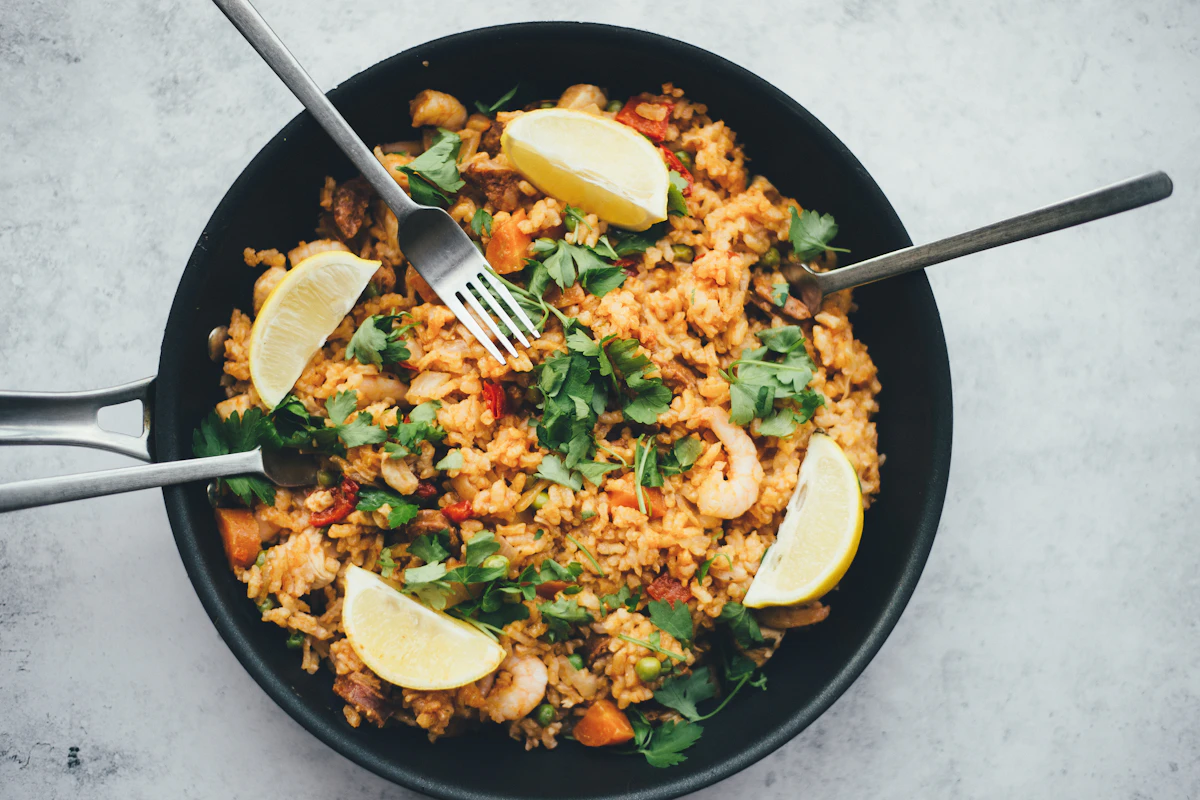
Cat Ba food is fresh seafood cooked simply, which means the meal lives or dies on how you order. Here are the dishes worth your appetite and the four-step routine that keeps the bill sane.